
By Arielle Melamed
Inside the carved wooden eagle gifted to the United States embassy in Moscow was a device. Passive, and without needing its own power source, it hung in the ambassador’s residential study at Spaso House for seven years before it was discovered by accident. Because it had no power, the technology at the time was unable to detect it.
The internal cavity and diaphragm inside the bug vibrated with sound in the room. These vibrations modulated the reflection waves, allowing Soviet agents to pick up all that was being said in that room.

The brains behind this ingenious invention had already become a household name long before “the thing” had been discovered.
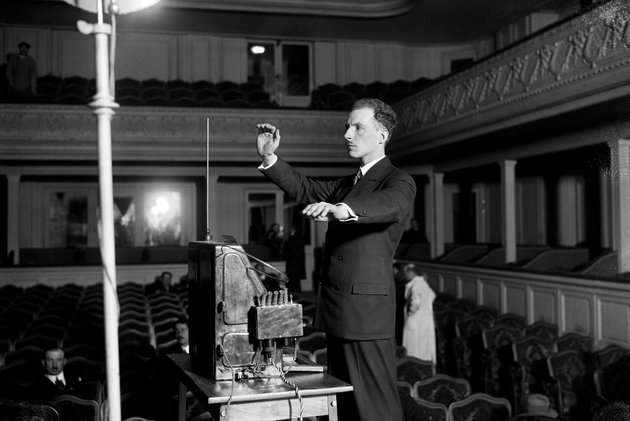
Russian inventor Leon Theremin, born in 1896, had noticed that when developing an electronic device for measuring the density of gases, the sound it made changed depending on the position of his hand.
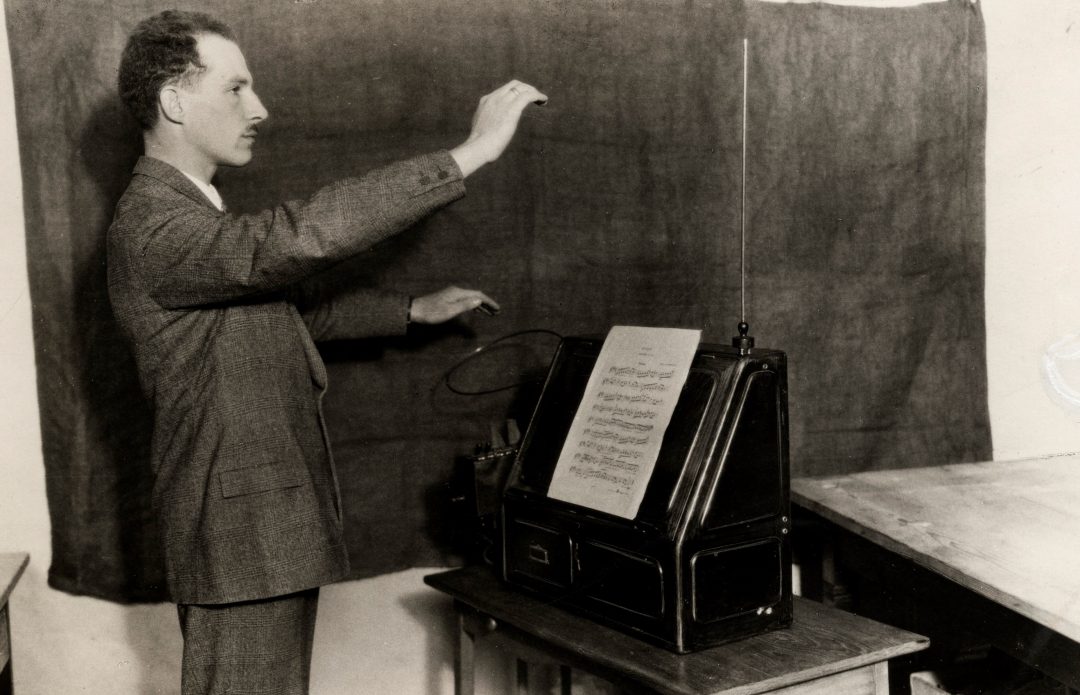
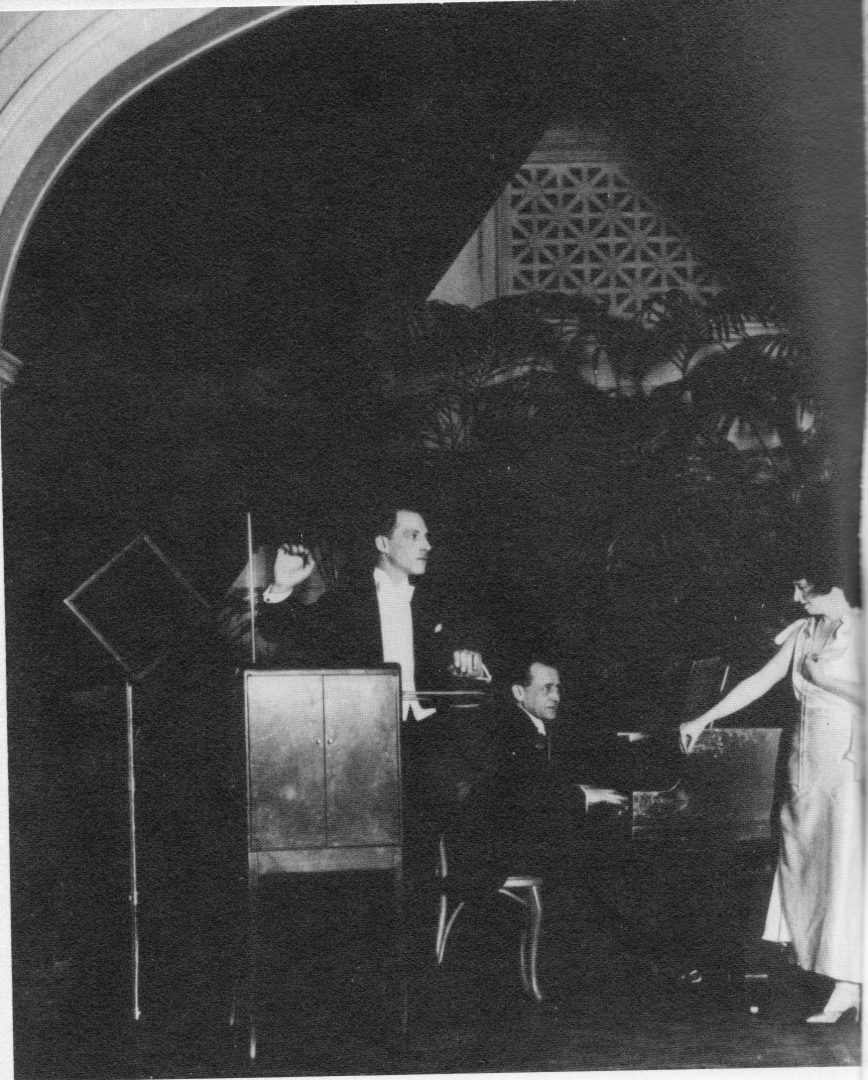
This discovery led to the invention of the theremin, an electronic musical instrument that is played by gestures in the air without any physical contact.
With a distinct, beautiful, and almost haunting sound, the theremin can be found in music such as the Beach Boys’ “Good Vibrations” of 1966, Leon Theremin vanished from the US under mysterious circumstances. There is some evidence to suggest that he was forced to return or even abducted by Soviet authorities.
He was branded as a counterrevolutionary and sent to a sharashka (secret research prison laboratory) where he contributed to a myriad of surveillance projects, most notably “the thing”. After being presented in a wooden great seal to the United States’ embassy, it listened to American secrets for years before its existence was discovered.
Not only did this give the USSR an edge on surveillance techniques, it also sparked a shift in intelligence methods moving away from wholly human spies and embracing technology.
While Leon Theremin has mostly been forgotten, his story parallels issues that remain relevant to this day. In a time where governments and corporations are in constant competition for control over our data, Theremin’s work prefigures the logic behind smartphone tracking, clandestine microphones, and various other forms of state-sponsored espionage.
Much like how “the thing” hid an advanced piece of surveillance equipment inside an innocuous-looking wooden ornament, today’s modern technologies often hide sophisticated systems inside devices that we willingly bring into our homes. How often has anybody questioned their Alexa?
Technological innovation becomes a source for power, with talent being quickly absorbed for national security agendas. Theremin’s story also raises ethical questions which trouble scientists to this day. How much responsibility can a creator bear for the ramifications of their creation?
Both the uses and the misuses. In an era of AI, highly advanced surveillance tools, and autonomous weapons, the boundary between creative innovation and political instrument becomes increasingly blurred. Theremin’s story is a classic example that this tension is not new, rather just louder in an increasingly globalised age.