
By Helen Turnbull
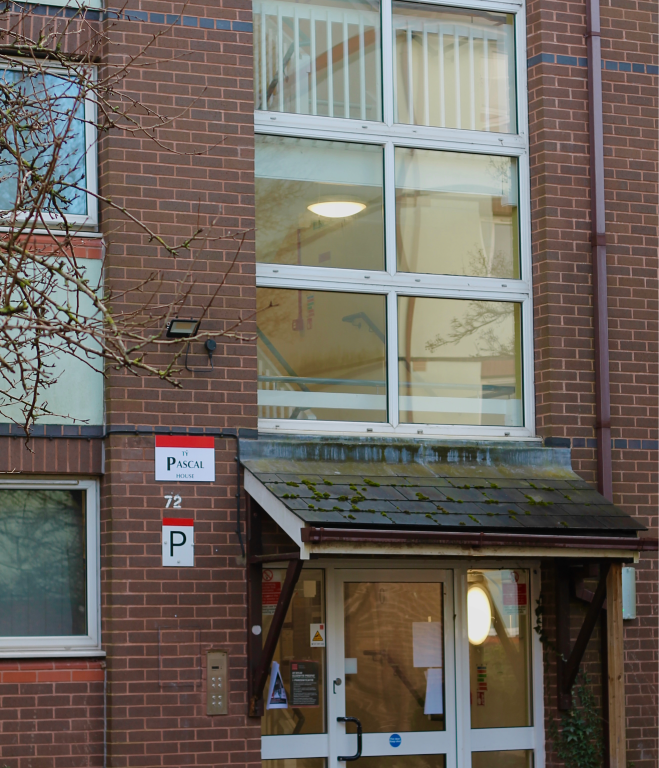
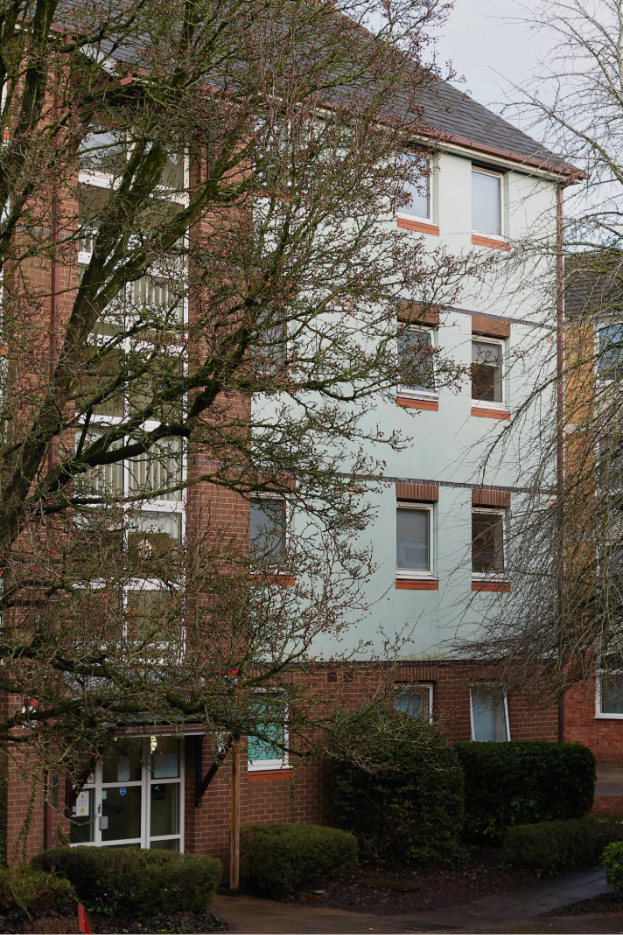
At the end of last semester, Cardiff Students’ Union’s Instagram account announced that, for the 2026/27 academic year, Senghennydd Court’s previously scattered Welsh-speaking flats will be grouped into a single block.
Despite this consolidation, the option to live in Welsh-speaking flats in Talybont North and Clodien House will remain. This revision to the accommodation process also introduces the term Cymuned Gymraeg — meaning “Welsh Language Community”.
The question remains: will this create a cultural hub for Welsh-speaking students, or risk becoming a form of segregation?
With 32% of students at Cardiff University being Welsh-domiciled, there is a clear need to support and recognise Welsh speakers. The university describes itself as “a Welsh institution with a global perspective”, stating that “the Welsh language is woven into the fabric of our institution”. Placing Welsh-speaking flats together in Senghennydd Court could help realise this vision.
It may also contribute to sustaining a language that, while spoken by an estimated 828,600 people in 2025, still represents just 26.9% of the population in Wales. Providing a space where students can continue to use their home language could play an important role in strengthening its future.
Beyond language preservation, the changes could help Welsh-speaking students build stronger communities and friendships. Other universities offer similar models. At Aberystwyth University, Neuadd Pantycelyn has been recognised as a vibrant hub for Welsh speakers, even receiving a mention in the UK Houses of Parliament for its role in promoting the language.
As a non-Welsh speaker, I spoke to Welsh-speaking students about the proposal. One noted that, despite visible efforts like bilingual signage and societies such as Gymdeithas Gymraeg, “English still dominates”. They added that bringing Welsh speakers together “would be beneficial for first-year students to feel more at home”.
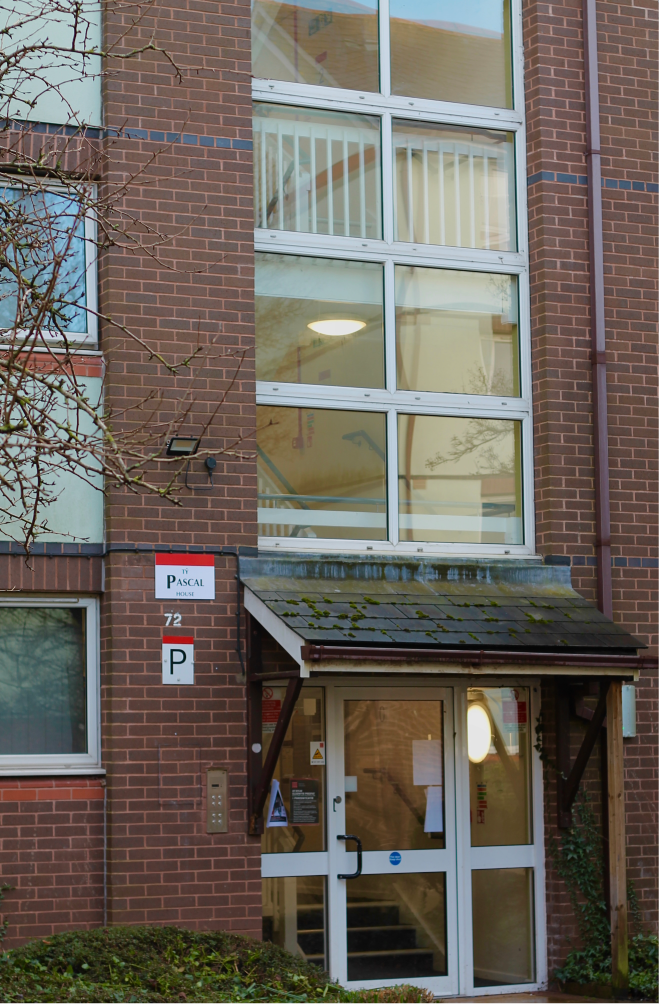
However, not all potential outcomes are positive. Already nicknamed “Senghetto” by some students, Senghennydd Court’s restructuring raises concerns about the formation of a Welsh-speaking clique. University is often seen as a time to meet people from a wide range of backgrounds, and concentrating Welsh speakers in one block could risk limiting social interaction.
There is also concern that the accommodation could be labelled as “Welsh-only” by others, creating division rather than community. What begins as an effort to bring people together could unintentionally reinforce separation.
Despite these concerns, the potential benefits may outweigh the risks. One Welsh-speaking student pointed out that they were not always aware of others who spoke Welsh, and that a dedicated space could strengthen a shared identity within the university.
Crucially, living in a Welsh-speaking block remains optional. No student is required to participate, and those who actively seek a Welsh-speaking environment can choose it. While the full impact of these changes will only become clear once implemented in September, there is reason to be cautiously optimistic. For many first-year Welsh students, this initiative could provide a stronger sense of belonging at Cardiff University.