
By Olivia Griffin
Cardiff Council has described cockroaches as an “extremely difficult pest to eradicate from a property” amid a surge in cases across the city.
A cockroach infestation discovered in a Cardiff student flat is part of a wider rise in cases across the city, according to data and expert testimony reported by WalesOnline.
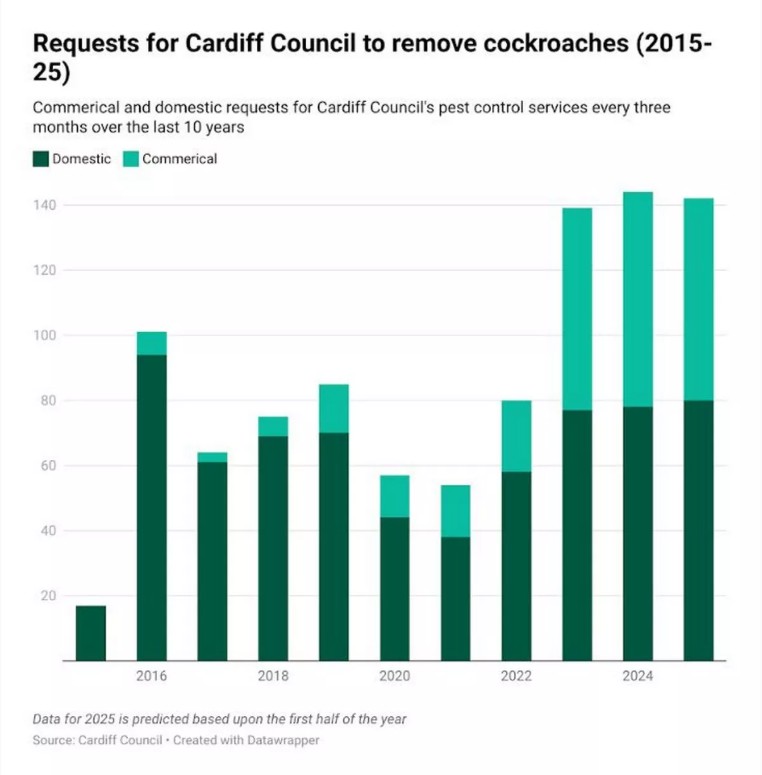
Figures from Cardiff Council show 144 requests were made to the council’s pest control services last year compared to just 80 two years earlier, an increase of 80 percent.
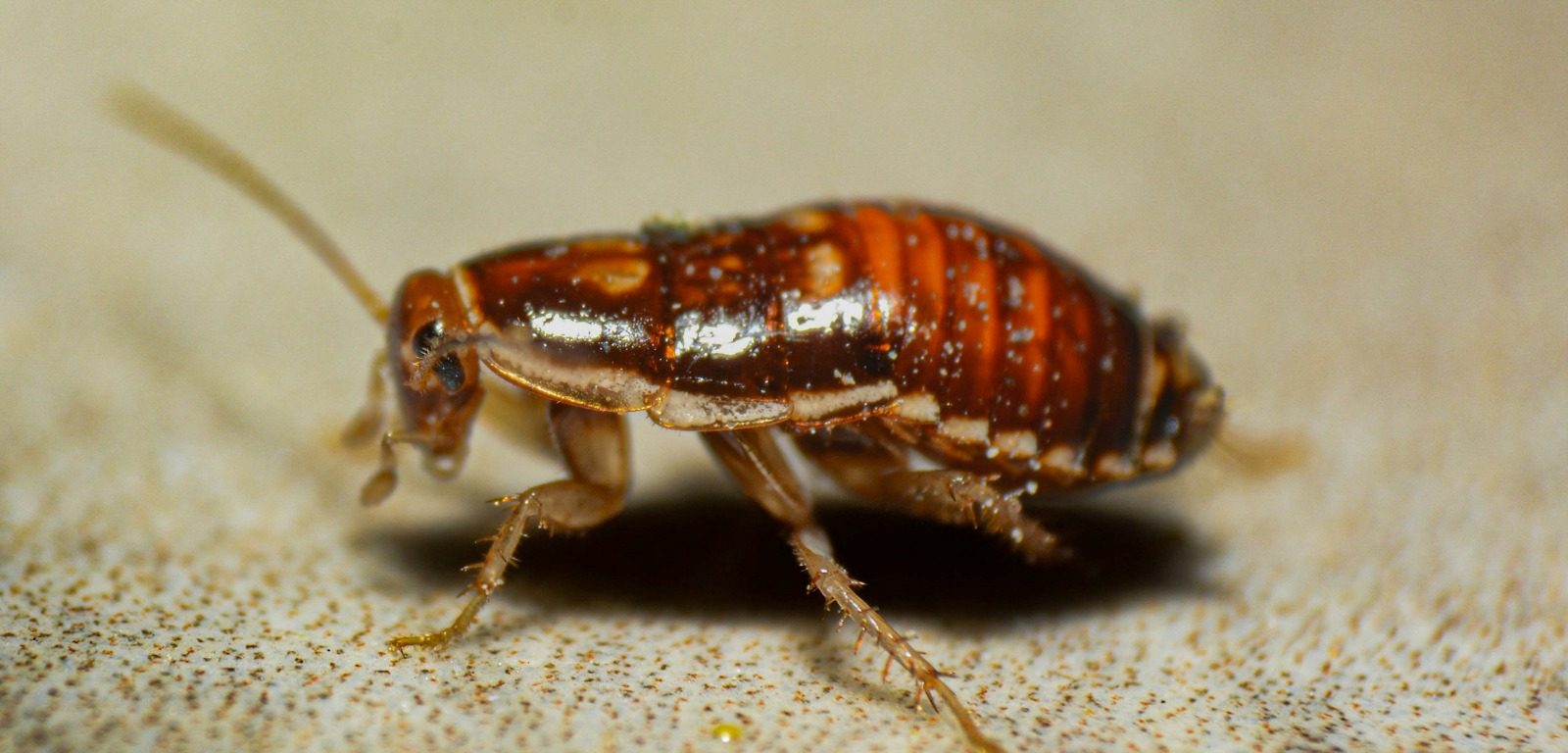
The infestation was identified as German cockroaches, one of the most common and fastest-breeding cockroach species in the UK. Small, brown and flightless, the insects are known to spread quickly through blocks of flats, houses of multiple occupancy and student accommodation; often moving between properties unnoticed.
Pest control experts told WalesOnline the problem in Cardiff has escalated rapidly.
Gareth Davies, a South Wales-based pest controller with nearly 40 years’ experience said: “At one time, I could probably count on one hand the number of German cockroach problems I’d had in a five-year period. But in the last eight to nine months, I’ve probably had 150 cockroach cases.”
Mr Davies said infestations have been reported across Cardiff, including in student accommodation, social housing and commercial premises; such as hotels and restaurants in the city centre. He added that cockroaches rarely remain confined to a single flat, often spreading throughout entire buildings.
Another Cardiff-based pest controller, Werner Starbuck of Pest Control Cardiff, also said his company has seen a noticeable increase in cockroach call-outs over the past two years.
According to the British Pest Control Association, the rise in German cockroach infestations is not unique to Cardiff and is being seen across the UK, particularly in busy urban areas with high-density housing and frequent movement between shared properties.
Kristian Nettleship, a member support officer at the association, said infestations are often driven by a combination of factors rather than a single cause. He said higher-density living makes it easier for cockroaches to spread between properties, while the cost of living crisis may also be contributing through the increased purchase of second-hand appliances and bulk food storage. Cockroaches are also known to “hitchhike” into homes through luggage, packaging and personal belongings.

German cockroaches can carry bacteria such as E. coli and salmonella, contaminating food and surfaces and potentially causing illnesses including diarrhoea and gastroenteritis. Droppings, egg cases and shed skins are common signs of an infestation.
Experts say infestations often go unreported for months, allowing populations to grow before professional treatment is sought. German cockroaches reproduce faster than any other residential cockroach species, with females producing multiple egg cases during their lifecycle.
Treating an infestation typically requires repeated visits and specialist sprays and gels to disrupt the cockroach lifecycle. While treatment for a small flat can cost up to £450, the cost for larger buildings such as student accommodation blocks and tower blocks can run into the thousands.
A Cardiff Council spokesperson said German cockroaches are an “extremely difficult pest to eradicate from a property”. They added: “Treatment does work, but the issue often returns a few months later, often requiring multiple treatments at the same address.”
Although cockroach-related requests account for only around two per cent of all pest control call-outs to the council, experts warn the true scale of the problem may be higher due to under-reporting. Mr Nettleship said: “Many infestations go on for months before a professional is called, which can make it look like there’s a sudden spike when the issue has actually been building for some time.”
The British Pest Control Association advises residents experiencing infestations to keep areas clean, store food securely, seal gaps around doors and windows, and seek professional help early to prevent the problem spreading further.