
By Gabriela Hunt
In preparation for my conversation with Cathays Community Centre, I took it upon myself to do some research regarding food poverty in Wales, and what I found was beyond upsetting.
According to Trussell’s reports, 2024 saw that 25% of adults experienced food insecurity, and that one in 14 households used at least one type of charitable food provision within the year.
Statistics like these help highlight the extreme importance in place such as the Centre, and the valuable work they do.
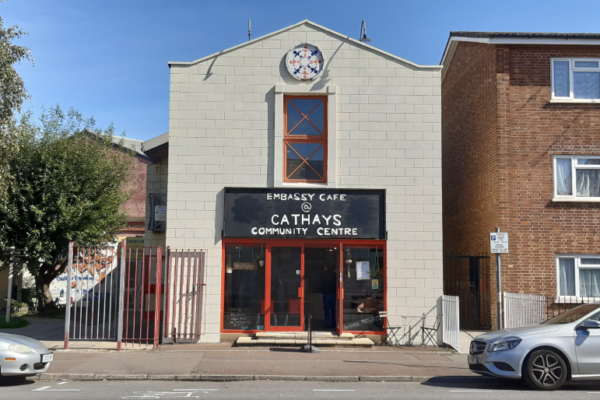
I was lucky enough to be able to interview Christina Witney, the Development Manager at the Centre to discuss their Community Fridge scheme, as well as the other provisions they provide.
Through our interview I was able to see some of the centre, bustling with life and full of different activities. A group was using their main hall for a community event, and at least one of their affordable music practice rooms was in use by an incredible sounding local band.
Both of these things are examples of what the centre provides for the local community, operating both for private hire and for wider community events, offering different classes and youth clubs with a focus on vulnerable groups – such there Memory Lane social club for those suffering from dementia and their careers.
The centre operates an anti-poverty and inclusivity ethos at the heart of all their work, and Christina highlighted to me the importance of this in their work, emphasizing that the purpose of a community is to take care of each other, especially those who face marginalisation.
“It is important for people to have access to spaces where they can go and exist safely, with little to no cost.”
This is evidenced by the extension of the Aubergine Café – a neurodivergent and LGBTQ+ owned and staffed cafe, focused on providing a safe and relaxed environment for all.
Additionally, their music rooms are cheaply priced for those wanting to use them, especially during school holidays, to ensure that young people are able to develop their skills without being blocked by financial barriers.
The main focus of our interview was to discuss their Community Fridge Project – a project focused on both the reduction of food waste, as well as providing one resource to those facing food poverty. Christina told me about the origins of the project, with the fridges donated after 2018’s Cowbridge Food Fest, and how quickly the fridges became stocked with donations.
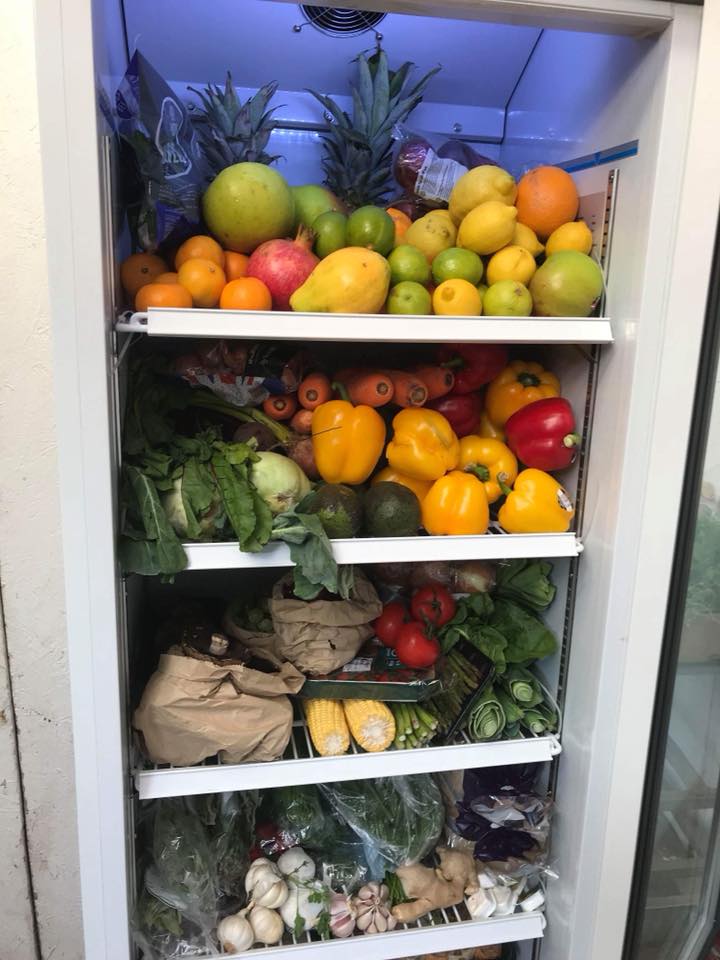
Collections from local supermarkets helped with this, but so did donations from our community, with groups such as Students for Palestine and the local Scout group donating leftover goods. They described how the fridge is a “valuable resource” that runs out and is refilled often and that people are “generous.”
We also discussed how the transient nature of the student population can make it difficult to form a close community connection, but great relationships have been formed with student groups – and that they are always welcome to use the centre if needed.
Relationships have been formed in many ways, such as the availability of internships for students and the partnership with the SPARK and economics school regarding research.
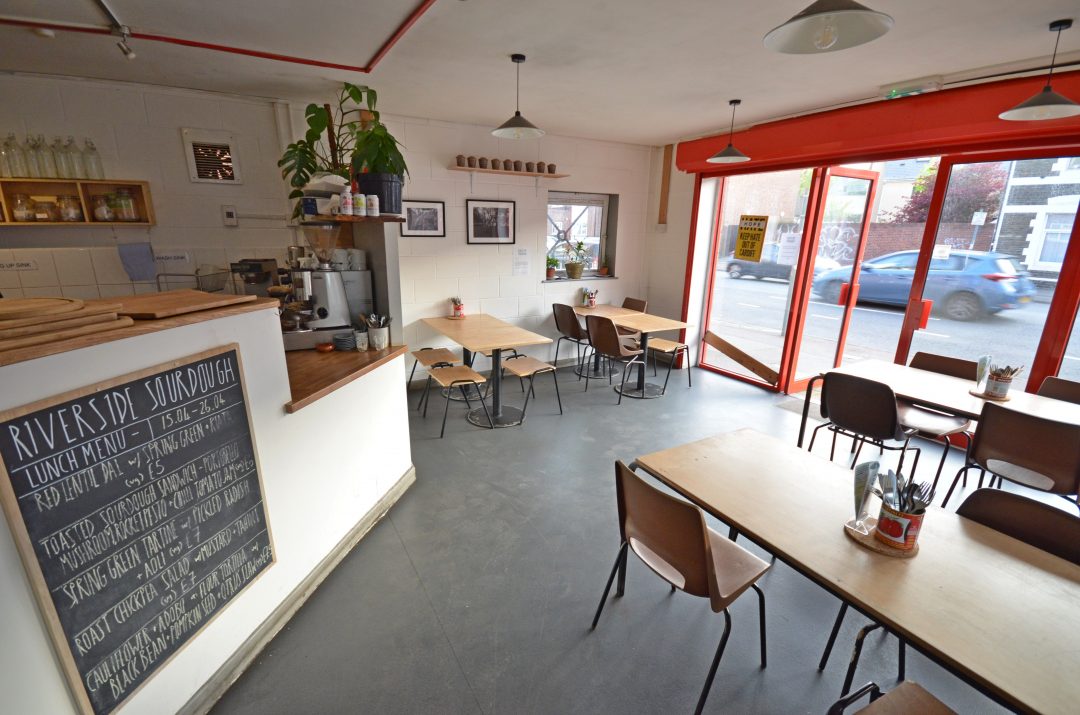
Tons of student bands use the centre as a place to practice, especially with the centre a much more affordable alternative to those pursuing the arts.
Of course we could not have a conversation regarding food poverty,and its causes without brushing up on the topic of politics. The current cost of living is outrageous, and the difference between the national living wage and the real living wage is enough to outrage anyone who feels the effects.
With food prices soaring, and politicians like Farage providing a threat to minority groups and the working class, places like this Centre are more important than ever.
“Everyone deserves to have a safe place to live, and access to affordable, good quality food. The rising inaccessibility to both is a very scary reality, and has been for a while.”
We both spoke from our personal experiences regarding food poverty and economic hardships, and Christina offered resources as answers to issues I hadn’t fully realised I had, demonstrating support is available to students like me if we just know where to look.