
By Oliver Hanlon
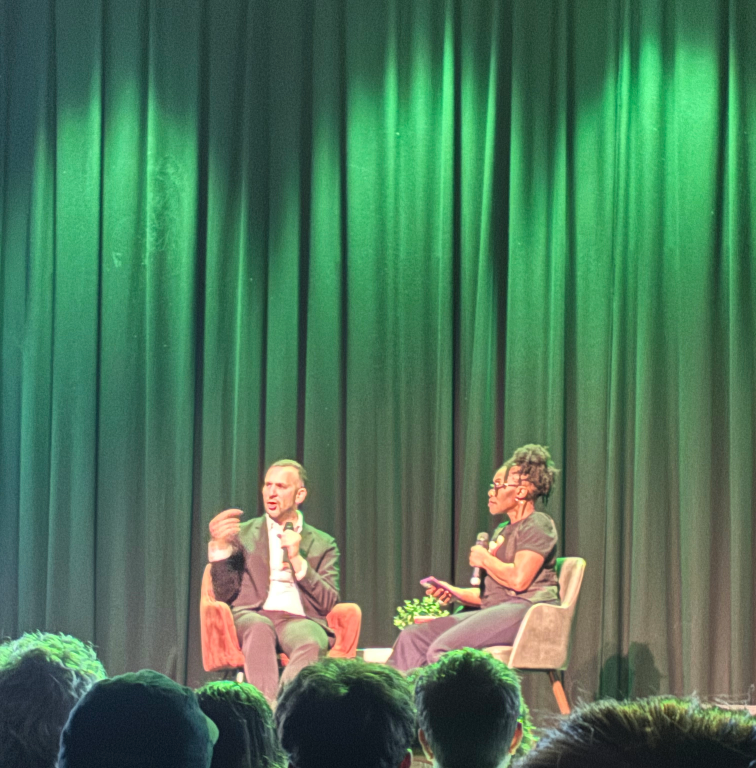
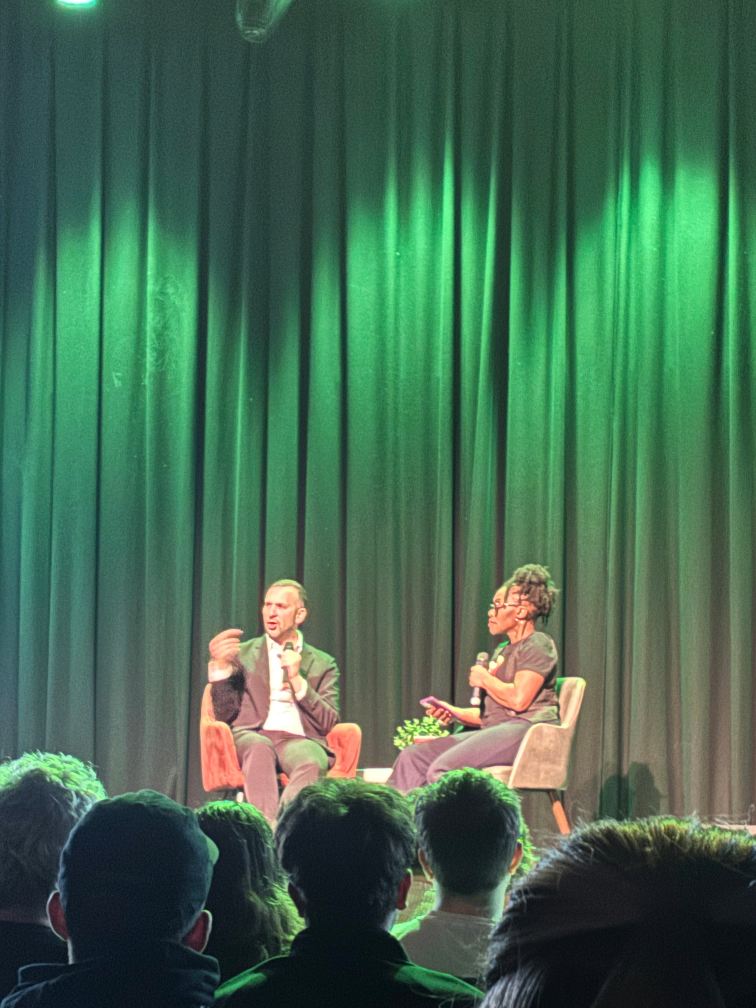
On 14 March, Green Party leader Zack Polanski arrived for an in-conversation event hosted by BAFTA-winning actress Rakie Ayola in the Great Hall of Cardiff Students’ Union.
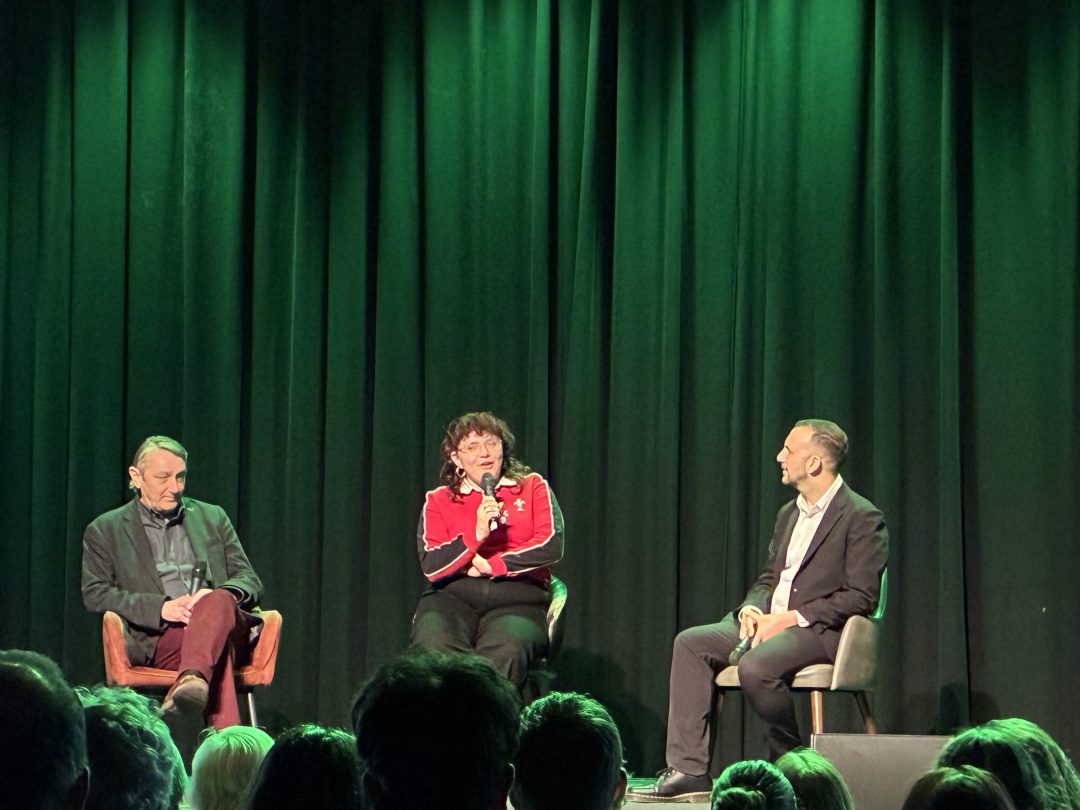
The evening began with Polanski being interviewed by Ayola on policy and activism, followed by a second half featuring Cardiff Senedd candidates Tessa Marshall and Anthony Slaughter, leader of the Greens in Wales. The message was clearly tailored to a young, student-heavy crowd.
Inevitably, significant time in the conversation was given to the current student loans scandal. To illustrate his point, Polanski used the example of the co-chair of the Young Greens, who had recently graduated from university with a debt of £68,000. “Two years later, they now have £71,000 worth of debt. It’s just going up and up and up,” he noted.
Polanski argued for urgent reform: “It’s really important, especially for those people on Plan 2 loans, that we reverse the freeze on the threshold that’s dragging people into it. We must adjust the repayment rate, and we need to lead a conversation about what debt forgiveness looks like.”
Polanski also commented on a decline in course quality, citing his own drama degree at Aberystwyth. Using this as an example of the effect of budget cuts, he stated: “Two years, I think, after I left, the cuts absolutely decimated that course.
“That entire year [the practical third year] got removed… teaching hours have been cut.” He added that teachers are now forced to work “incredible hours… because counsellors have been cut [and] mental health support has been cut”, leaving students with less support despite rising costs.
Ayola chimed in with her own experiences of attending drama school on “a full grant”, stating, “Who wants, whatever it is, a £30,000 loan to train to be an actor? How many people can afford to do that?”
Polanski then defended arts and humanities degrees, directly challenging the “Mickey Mouse” label frequently used by critics. He described the phrase as “very offensive”, arguing that it pushes a narrow worldview where “nothing else matters” except traditional STEM subjects.
He warned that making creative education financially inaccessible creates a barrier where only those with existing wealth can participate. “It is a privilege to be able to get into the arts now,” he said, noting that this shift restricts democratic discourse.
He argued that representation is being squeezed into a “very narrow box of what’s acceptable discourse, which maintains the status quo and never challenges power.” While shows like Succession or Downton Abbey are popular, Polanski pointed out they focus on the elite, asking the audience, “Where have the working-class stories gone?”
He also challenged the political obsession with “working people”. Polanski argued that this narrow focus ignores large sections of society, asking the audience, “What about people who are unemployed? What about people who are disabled and not working?”
He proposed that the country needs a conversation about the “love of not working”, suggesting that individuals should have the “freedom” to choose periods of non-work to “live their lives, experience things, create art or music”.
He questioned the morality of a system where a person’s worth is tied solely to “earning a living” and argued for a society that is “okay” with the choice not to work.
Addressing the challenge of escaping “echo chambers”, Polanski identified right-wing think tanks and media platforms as primary obstacles.
He argued that current discourse is restricted to a “very narrow box” designed to ensure the public never challenges power. To pierce this barrier, he advocated for “powerful storytelling” to reach those who are angry and despairing.
“We need to empower artists and creatives… to tell the stories that get people in the heart,” he explained, asserting that it is only through these creative voices that society can “reclaim the imagination necessary to believe that a different, better world is actually possible.”
Tessa Marshall addressed the “doom loop” of recurring crises, asserting that young people “don’t have to just live through this”.
Sharing her experience with reproductive rights at age fifteen, she warned that “rights can be given and rights can be taken away”, vowing to confront transphobia and sexism in the Senedd.
Slaughter framed the election as a “scrap” between the Greens and Reform UK, stating that “every single Green vote you make is a vote to stop Reform”. Polanski concluded by issuing a direct call for the audience to join the Green Party, even if they were not in total agreement with every policy.
“If you disagree with me, join us,” he told the Great Hall, urging them to reject political cynicism. He left the audience with a final metaphor: “If ever you think you’re too small to make a difference, then be a mosquito inside a tent.”