
By Olivia Griffin
A confirmed case of avian influenza (H5N1) in Cardiff has been followed by a rise in reports of dead wild birds across the city, prompting renewed warnings from public health and wildlife authorities.
Cardiff Council announced this week that a swan found in Cardiff Bay had tested positive for bird flu, the first confirmed case in the city this winter. Additional dead birds recovered from Roath Park Lake and Hendre Lake have now been sent for laboratory testing as officials work to assess the scale of the
outbreak.
Residents have also reported new deaths in recent days with one resident telling Gair Rhydd they had seen five dead swans in a single day at Roath Lake, raising concerns that the virus may already be more widespread than currently confirmed.

The situation in Cardiff forms part of a wider pattern across Wales. In the past few days, WalesOnline reported that twelve swans were found dead at a lake in Swansea, with local authorities investigating avian influenza as a possible cause. The incident has heightened fears that the virus may be spreading rapidly through Welsh waterfowl populations during winter migration.
Two weeks ago, BBC News reported that wildlife agencies were already monitoring increased wild bird deaths across Wales, warning that more cases were likely as colder weather pushed birds into closer contact at urban lakes and rivers.
Despite the rise in cases, Cardiff Council says the risk to human health from H5N1 remains “very low”. There is currently no evidence that the strain detected in Cardiff spreads easily to humans.
However, both the council and the Animal and Plant Health Agency (APHA) stress that public cooperation is essential to help reduce transmission between wild birds and prevent further outbreaks across the city.
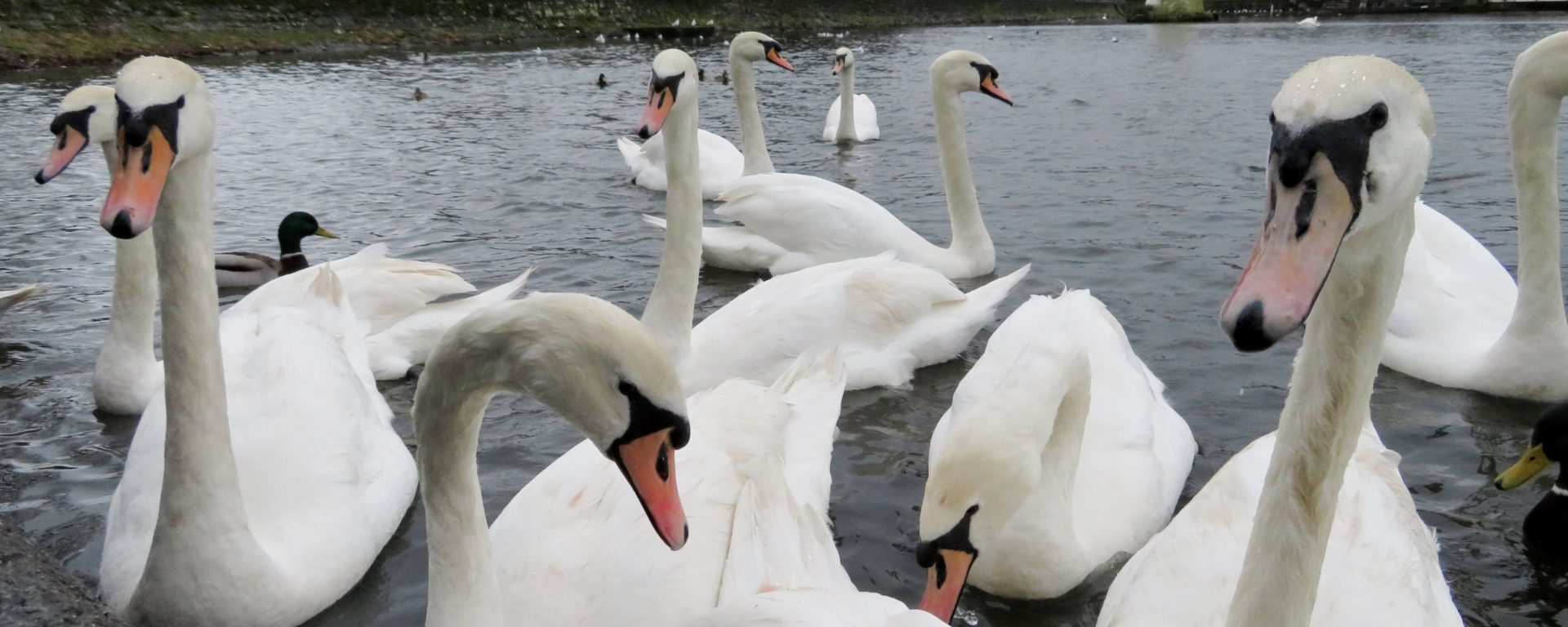
Image (Top) Gareth Jones via Wikimedia
Image (Bottom) Robin Drayton via Wikimedia Commons