

By Olivia Griffin
For thousands of students, Welsh Varsity promises a day of open access: a ticket, a city and dozens of fixtures to move between at will. Marketed as a festival of sport spanning Cardiff, the event trades on the idea of freedom, the ability to drift from one venue to another across a packed schedule.
This year, however, some students found that access was not as straightforward as it first appeared.
Welsh Varsity, one of the largest dates in Cardiff Students’ Union’s calendar, took place on April 22, bringing together dozens of fixtures across venues in the city.

The annual event, which sees Cardiff compete against Swansea over a full day of sport, spans multiple locations and attracts thousands of students, with fixtures running concurrently across Cardiff.
Its scale is central to its appeal.
From rugby at Cardiff Arms Park to smaller fixtures across university facilities, Varsity offers a city-wide programme that encourages movement between venues and engagement with a wide range of sports. It is designed to feel expansive: a full day event with multiple points of access.
This year, however, the structure of that access has raised questions about how clearly ticketing information was communicated to students before purchase. The Welsh Varsity Festival Package was advertised as including “entry to all daytime sporting events”. At face value, this suggests broad and consistent access across the programme. In practice, access to a number of fixtures, including netball, hockey and events held at Llanrumney, required additional sport-specific wristbands, distributed in limited quantities on a first come, first served basis.
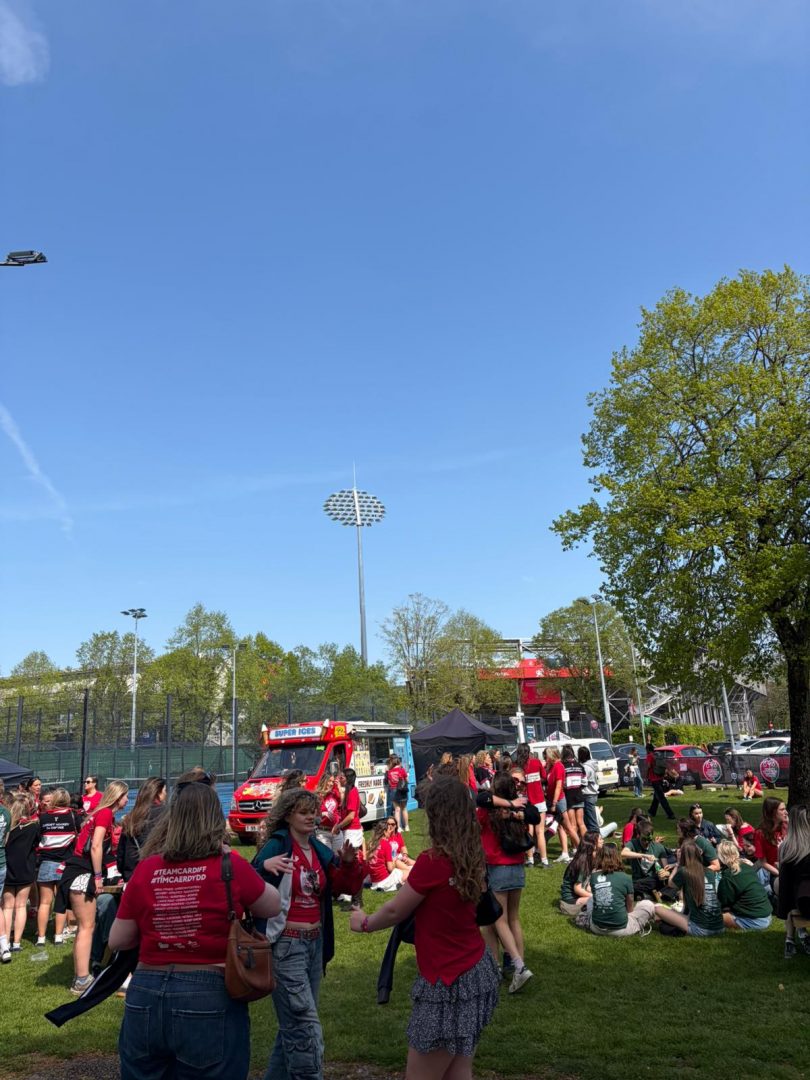
These wristbands were not allocated at the point of purchase. Instead, they were made available during ticket collection. As a result, access to certain fixtures depended on when ticket holders collected their packages and whether additional wristbands remained available. In effect, holding a ticket did not guarantee entry to all elements of the programme, despite the breadth implied in the original description.
Information about this system was published across several areas of the Students’ Union website.
References to capacity limits appeared in general ticket information, while further details about additional wristbands were included in FAQs and ticket collection guidance. Social media posts in the lead up to the event also noted that extra wristbands would be available “depending on availability”.
Taken together, this material sets out the structure of access. However, it does so across multiple sources rather than in a single, consolidated explanation presented at the point of purchase. The headline ticket description, emphasising access to “all daytime sporting events”, was not accompanied by an equally prominent explanation of how that access would operate in practice.
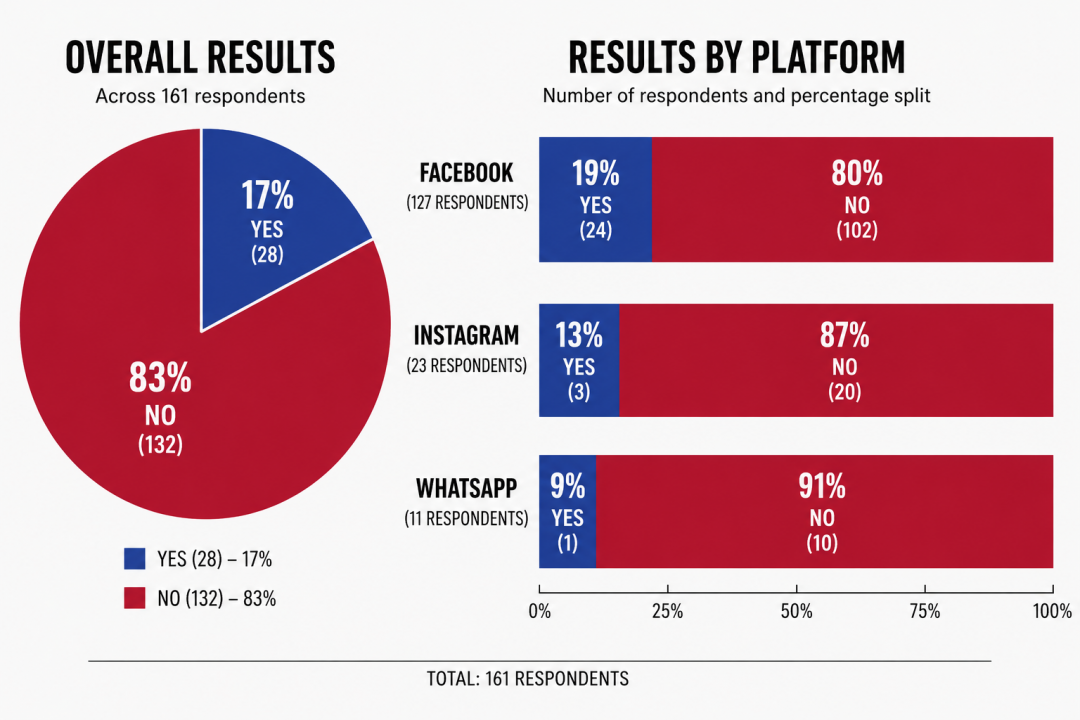
A poll conducted by Gair Rhydd found that approximately 84 percent of the 161 respondents surveyed were unaware, prior to purchasing their ticket, that additional wristbands would be required to access some fixtures. While not definitive, the result suggests that a proportion of students may not have fully understood the conditions attached to their ticket at the point of purchase.
The use of a first come, first served system adds a further layer of complexity. Capacity limits are standard at large scale events, particularly those spread across multiple venues.
In this case, however, access to some fixtures was shaped not only by venue capacity, but by the availability of wristbands distributed separately from the ticket itself.
The result is a layered access model: a general ticket grants entry to the event as a whole, while additional steps are required to access specific fixtures within it.
Two ticket holders purchasing the same package may therefore have experienced different levels of access, depending on when they collected their tickets and which wristbands remained available.
Under the Digital Markets, Competition and Consumers Act 2024, organisations selling to consumers are required to provide “material information” clearly and in good time, particularly where it may influence a purchasing decision. This includes information about the nature of what is being purchased, as well as any limitations or conditions attached to it.
Similarly, the Consumer Rights Act 2015 requires that services match the way they are described and that key terms are transparent and accessible.
These provisions do not prevent organisers from imposing limits, but they do require that such conditions are communicated in a way that allows consumers to make informed decisions.
When approached for comment, Cardiff Students’ Union directed Gair Rhydd to its ‘Key Information’ section and general terms and conditions, where details relating to capacity and additional wristbands are set out.
In a follow up response, a spokesperson for the SU said more than 10,000 students attended across the day and that the event was delivered safely with a “strong atmosphere across all fixtures”.
The spokesperson added that information about access arrangements had been shared at multiple points in the lead up to the event, including at the point of purchase and in post purchase communications.
However, the response does not clarify whether this information was presented within a single, consolidated set of terms and conditions outlining all access requirements.

Instead, it points to details being distributed across different stages of communication, without specifying how prominently the need for additional, sport specific wristbands was presented during the ticket purchasing process.
The Students’ Union said the wristband system was intended to manage demand and improve access to high capacity fixtures, reporting “smoother and quicker” entry and reduced queuing compared to previous years. It did not, however, directly address why a first come, first served model was chosen over allocating access at the point of purchase.
The spokesperson also said that fewer complaints had been received compared with previous years. No further detail was provided on whether complaints related specifically to access to fixtures, or how any concerns raised are being addressed beyond a general post event review.
The question of how the Festival Package was described remains unresolved. While tickets were advertised as including “entry to all daytime sporting events”, the SU did not explicitly state whether it considers this wording to reflect the additional steps and capacity based restrictions that applied to certain fixtures.
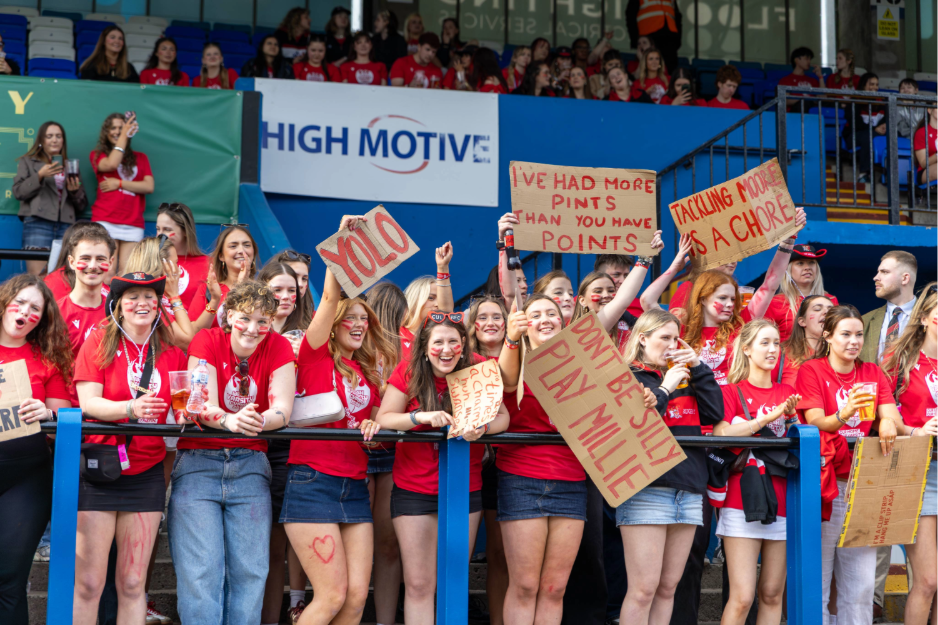
Welsh Varsity operates at a scale that presents significant logistical challenges. Managing crowd flow, ensuring safety and maintaining access across multiple venues are all factors that shape how the event is organised.
But the questions raised this year extend beyond a single event. Where access is conditional or limited, the clarity with which those conditions are communicated becomes central to the experience itself.
As Varsity continues to grow, the relationship between what is offered and how it is described is likely to come under closer scrutiny