
Soanna Khan
A visually striking, emotionally intense retelling that prioritises atmosphere over fidelity to the original novel.
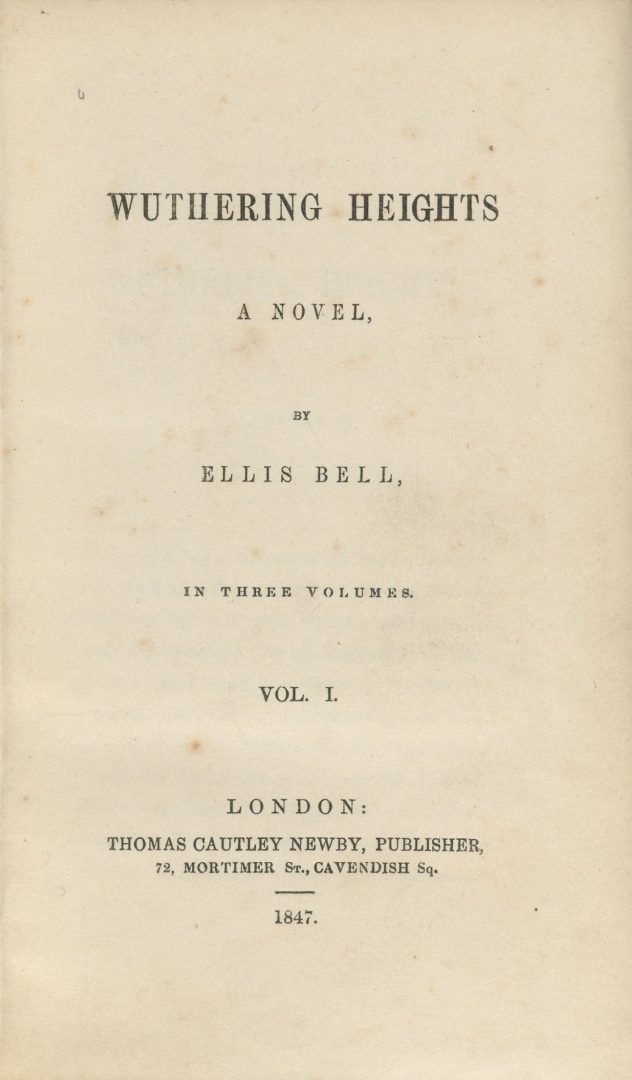
Wuthering Heights is often considered the ultimate Victorian novel. Set against the isolated Yorkshire moors, Emily Brontë’s masterpiece captures the dangerous passion between Catherine Earnshaw and the working-class Heathcliff, offering a critique of Victorian ideas surrounding class, race and gender.
The novel shocked contemporary readers with its portrayal of obsessive love and extreme violence, both uncommon in romantic literature of the time. It is also a deceptively dense text, which may explain why so few directors have attempted a full adaptation.
Director Emerald Fennell, however, chose to take that risk with “Wuthering Heights”. The film has received mixed reactions, with some critics describing it as a shallow and melodramatic interpretation that overlooks the novel’s deeper themes.
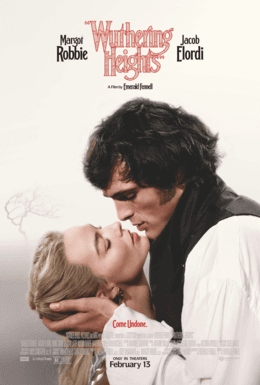
Fennell, though, made her intentions clear. Rather than producing a faithful retelling, she set out to create something closer to fan fiction – aiming to capture the visceral experience of reading the novel as a teenager. Her focus was on “vibes” rather than themes, centring the story almost entirely on the relationship between Catherine and Heathcliff.
The result is a passionate, almost dreamlike retelling, filled with moments of sexual intimacy and unsettling violence. While it diverges significantly from Brontë’s original narrative, it remains consistent with Fennell’s distinctive style. Viewed as a reinvention rather than a direct adaptation, the film is bold, vivid and undeniably captivating.
Catherine Earnshaw is a deeply complex character – at once loving and cruel, passionate and sardonic, empathetic yet manipulative. Margot Robbie proves a fitting choice for the role, bringing depth and emotional range to a character that could easily feel one-dimensional.
Often described as an embodiment of the moors themselves, Catherine’s wildness is reflected in her physicality – from wind-swept hair to flushed cheeks. Robbie captures this natural, untamed quality, reinforcing the connection between character and landscape.
Opposite her, Jacob Elordi delivers a compelling portrayal of Heathcliff, balancing cruelty and charm with an undercurrent of vulnerability. His imposing presence reinforces Heathcliff’s status as an outsider, unwelcome within the more refined world of the Earnshaw family.
Following his role as the Creature in Frankenstein (2025), Elordi has demonstrated an ability to inhabit emotionally complex and conflicted characters, making him well suited to the role. His growing association with gothic roles suggests he may become to the genre what Keira Knightley has long been to period drama.
Fennell’s casting of a white actor as Heathcliff has also sparked discussion. While Brontë describes the character as “dark-skinned” with dark hair and eyes, his exact ethnicity is never explicitly defined in the novel, leaving room for interpretation. Given the film’s broader departure from the source material, this choice aligns with its overall approach.
Ultimately, “Wuthering Heights” offers a modern, stylised take on a classic text. Rich in passion and intensity, it fulfils Fennell’s creative vision and is brought to life through striking performances from both Robbie and Elordi.