
Bethan Jones
Food has always been political. What we eat reflects our cultures, relationships and identities – what we choose to eat, who we eat with, the restaurants we visit and the diets we follow all reveal the systems we live within.
Over the past year, there has been a noticeable surge in high-protein diets. Food trends come and go – the 2000s were dominated by low-fat and low-carbohydrate rhetoric – but this trend feels different. Unlike previous diet crazes, protein is not being demonised. Instead, it is being celebrated.
Protein now appears everywhere: in bagels, coffee and even ice cream. Fridges are increasingly stocked with protein smoothies, protein yoghurt and protein cheese, signalling a shift not just in diet, but in lifestyle branding.
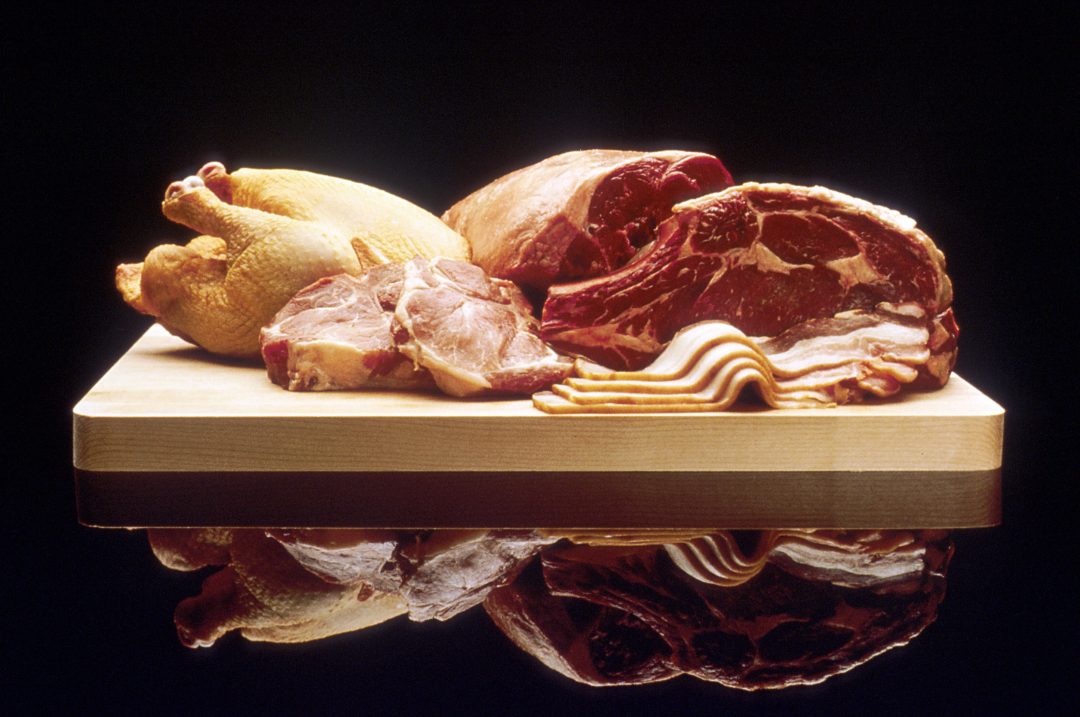
Alongside these ultra-processed products – which are often little more than clever marketing – wellness culture has also embraced protein-heavy lifestyles such as the carnivore diet. The image is familiar: steaks and avocados arranged on chopping boards, accompanied by online discussions of ‘clean eating’ and optimal health.
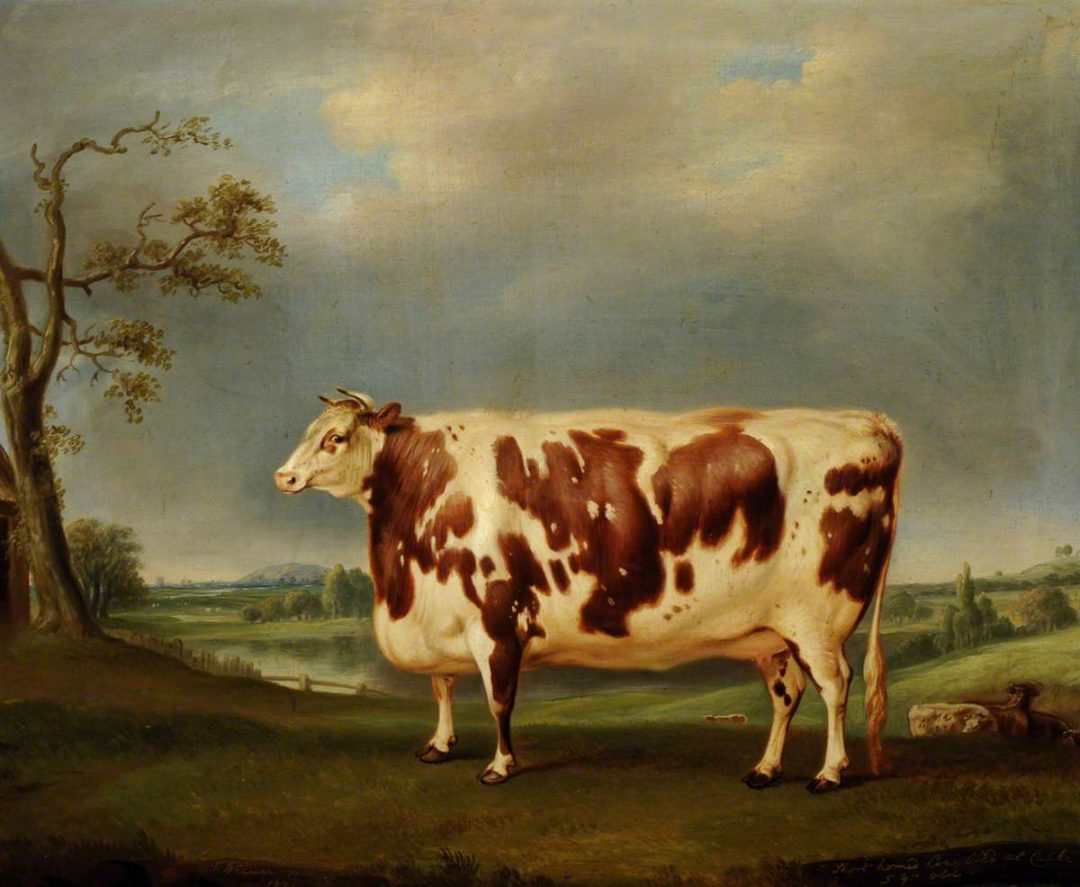
In the West, meat has long held a central place in food culture. Traditional British meals often revolve around dishes such as beef stews or a Sunday roast, where meat takes prominence and vegetables play a supporting role. The classic ‘meat and two veg’ remains a defining feature of the national diet.
This renewed focus on protein marks a departure from the recent popularity of veganism and plant-based eating, replacing it with simpler, repetitive meals centred on meat, such as chicken and rice.
For some, this shift reflects deeper cultural and political values. A meat-centric diet is often associated with traditionalism, and, by extension, ideas about gender roles. As bell hooks argued, patriarchy is pervasive, shaping behaviours and expectations in subtle but powerful ways.
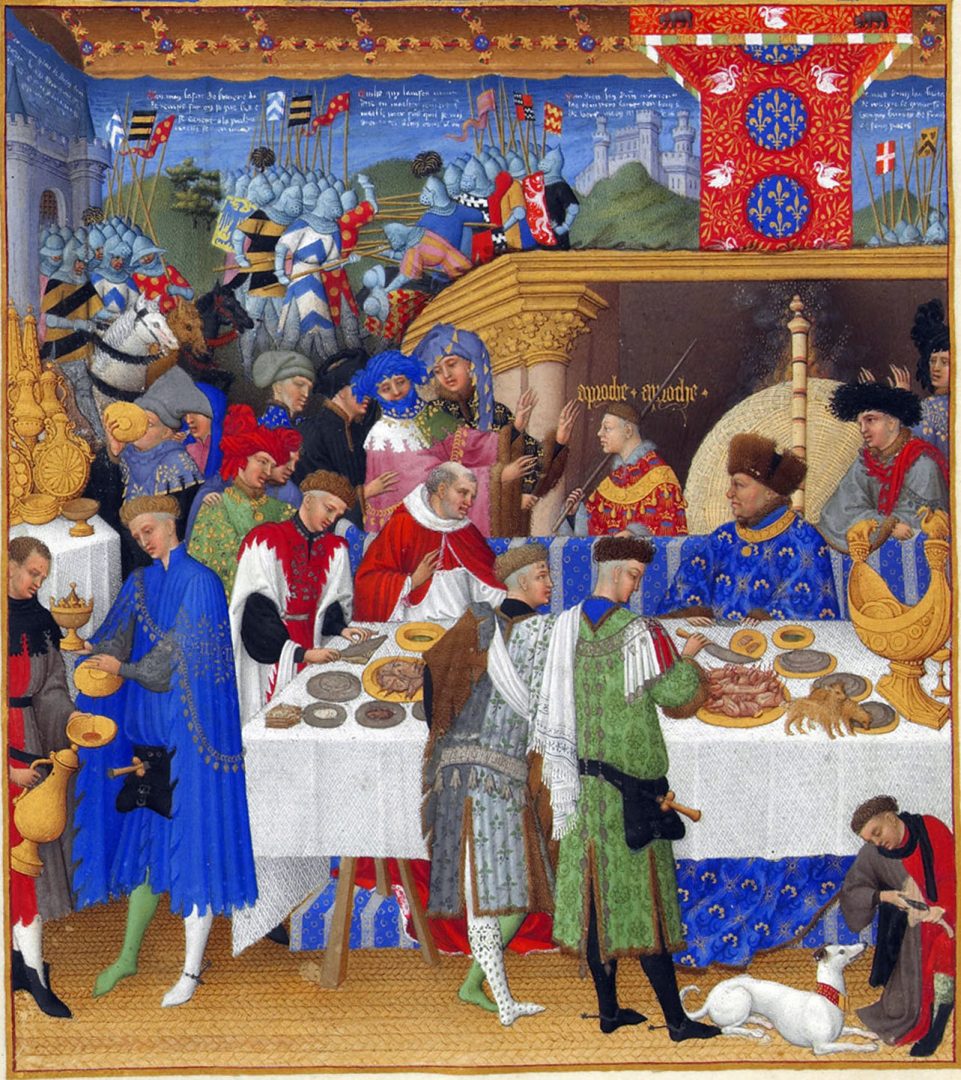
Historically, meat has been linked with masculinity. From early hunter-gatherer societies to depictions of feasting warriors in popular culture, meat has symbolised strength, power and dominance. These associations continue to influence modern perceptions of food.
The rise of the carnivore diet, in particular, has been tied to expressions of masculinity. Choosing to eat meat is sometimes framed as a marker of strength, while those who avoid it may face ridicule through terms designed to undermine their masculinity. This may help explain why some men are less likely to reduce their meat consumption, while women are often more open to plant-based diets.
Prominent figures such as Jordan Peterson and Joe Rogan have been closely associated with popularising aspects of this trend.
However, high-protein diets – particularly those centred on red and processed meats – can carry health risks. Diets high in saturated fats have been linked to an increased risk of heart disease and potential strain on kidney function.
Despite this, the appeal of such diets appears to extend beyond health. Meat is often framed as fuel for strength and muscle, allowing individuals to present themselves as capable and resilient. For some, it also represents a rejection of progressive social movements, positioning dietary choices within a broader cultural divide.
In this sense, food becomes more than sustenance. It becomes a symbol – a way of expressing identity, values and belonging within an increasingly polarised political landscape.
What we eat, then, does not just nourish us. It places us within a wider cultural conversation, where even something as simple as a meal can carry political meaning.