There’s a weight that comes with the new year that can be difficult to deal with. It always feels like a chance to change your whole life and start afresh. But for a lot of people (myself included), actually sticking to the many goals you set yourself can feel impossible.
One way people motivate themselves during this time is through self-help books. You know the type. Atomic Habits. This works for a lot of people, but it doesn’t work for people like me. That’s not to discount the power of non-fiction, though – no self-help book can motivate me the way Joan Didion does. So to start the year off right I’ve been rereading Slouching Towards Bethlehem, her first essay collection, published in 1968.
There are particular essays in this book that speak to me in a very personal way. On Self Respect, for example, is a meditation on the nature of self-respect, how it affects our lives, how we can develop it, and why we should. More so than individual essays, though, I love this book for the craftsmanship it displays.
Didion has a way of writing that feels timeless. This is writing with no frills and delivered with an elegant bluntness. A journalist by trade, Didion knows how to lay out information in a way that feels simultaneously critical and impartial. In every line, the audience is invited to develop their own thoughts and opinions on what they are reading.
Each of us have personal goals to achieve and values we want to uphold, and I think the most powerful thing that we can do heading into the new year is to find a book that exemplifies those goals.
These qualities are incredibly important to me as a student of journalism. Reading her work helps me stay focused on what I’m aspiring to do. For me, this is far more powerful than anything I could get from a self-help book, but that doesn’t mean it’s universal. Each of us have personal goals to achieve and values we want to uphold, and I think the most powerful thing that we can do heading into the new year is to find a book that exemplifies those goals. Rather than reading a book that wants to give some kind of general advice, find one that speaks to you specifically and what matters most in your world.
That’s why I’m reading Joan Didion in the new year, and although I would recommend Slouching Towards Bethlehem to anyone and everyone, I would first recommend finding the motivation you need through books that aren’t trying to sell it to you.
Words by Rhia Davies
For many of us, 2026 offers a blank slate to recreate ourselves with a renewed motivation to act on postponed goals. Whether you plan to grow through resolutions, a new gym subscription or an over-eager vision board, non-fiction literature can be a useful additional tool to bridge the gap between who you are now and who you want to be.
For fellow students struggling with deadlines, I was recommended Procrastination by Fuschia M. Sirois, PHD in a study skills meeting due to its practical advice and convenient format. The book is separated into three parts, so it’s easy to skim through if you want to skip straight to the end chapters on evidence-based strategies. Just make sure not to put off reading it like I originally did. Fluent in 3 Months by Benny Lewis is another helpful read for anyone keen to learn a new language this year. Lewis impresses us with his knowledge of 12 languages in the introduction, despite only understanding English until the age of 21, so it’s valuable if you want to branch out from your linguistic comfort zone. After all, language is a skill that can help you in many situations, from travelling and making new friends to watching anime and K-dramas without relying on English subtitles.
Beyond self-help, non-fiction literature can be a fun way to broaden your perspective on everyday life. Understanding a wide range of subjects can make familiar places a little more interesting, or at the very least, you can use your newfound understanding of random facts to annoy your family and friends. Entangled Life by Merlin Sheldrake is a fascinating read that details how fungi can change our understanding of the planet we live on and how life works. The organism’s ability to connect plants in underground networks, digest plastic in breakthrough technologies and potentially alleviate mental illness is well written, and learning about the beauty of mushrooms is a great way to appreciate life and nature despite the depressing January weather.
Ultimately, whether non-fiction literature can help you to become a better person and achieve success in 2026 is up to you. For self-help, especially, it’s easy to fall into the trap of reading about how to change your life without implementing any of the advice. So read thoughtfully, but take action. With a bit of trial and error, 2026 can be your best year yet.
Words by Szara Austin
As the countdown to the new year begins, so does the existential crisis. Am I happy with who I am? What am I doing with my life? How can I be better? With the added pressure those classic first-week-of-January deadlines, I think it’s fair to say that New Years is quite a stressful time period. While there are many positive sides to a new year, like new opportunities, new achievements and new people, it is hard to ignore the looming dread of change and a pressure to be a better version of yourself.
Although I do not reach for non-fiction books often, especially of the self-help genre, there does seem to be a theme in my new year reads. In January 2023 I read Beth O-Leary’s The No-Show, a contemporary romance with a devastating twist that had me crying for a little too long. January 2024, I read Sayaka Murata’s Convenience Store Woman, a translated work about the daily life of a woman who works in a Japanese corner shop. In January 2025, I began the iconic The Bell Jar by Sylvia Plath, the story of a woman chasing her dreams as a poet in New York City. I have never seen a connection between these reads before, but retrospectively I may understand why I chose to read them each January.
As someone who mainly reads thrillers/murder-mysteries, these three books are surprisingly uneventful. They all surround the daily life of ‘normal’ people, something I am not always interested in. But perhaps it is the uncertainty of every January that has me needing a story based in the real world, entirely plausible and not too outlandish. It is through this that I remind myself that we are all human, all taking completely different walks in life and that I do not have to use January 1st as the start of becoming a ‘better’ person. Reading stories about imperfect characters experiencing the ups and downs of life alleviates some of the pressure surrounding new year, reminding me that to be human is to be flawed.
January 1st is just another day. I need to remind myself this each year so I don’t fall into the trap of not feeling good enough. Books on regular people living regular lives keep me grounded and enable me to feel excited for the new year. Maybe I will strive to improve a part of my life, but if I do, it will be out of want, not from pressure from catchphrases like ‘New Year, New Me’.
Words by Kitty Connolly
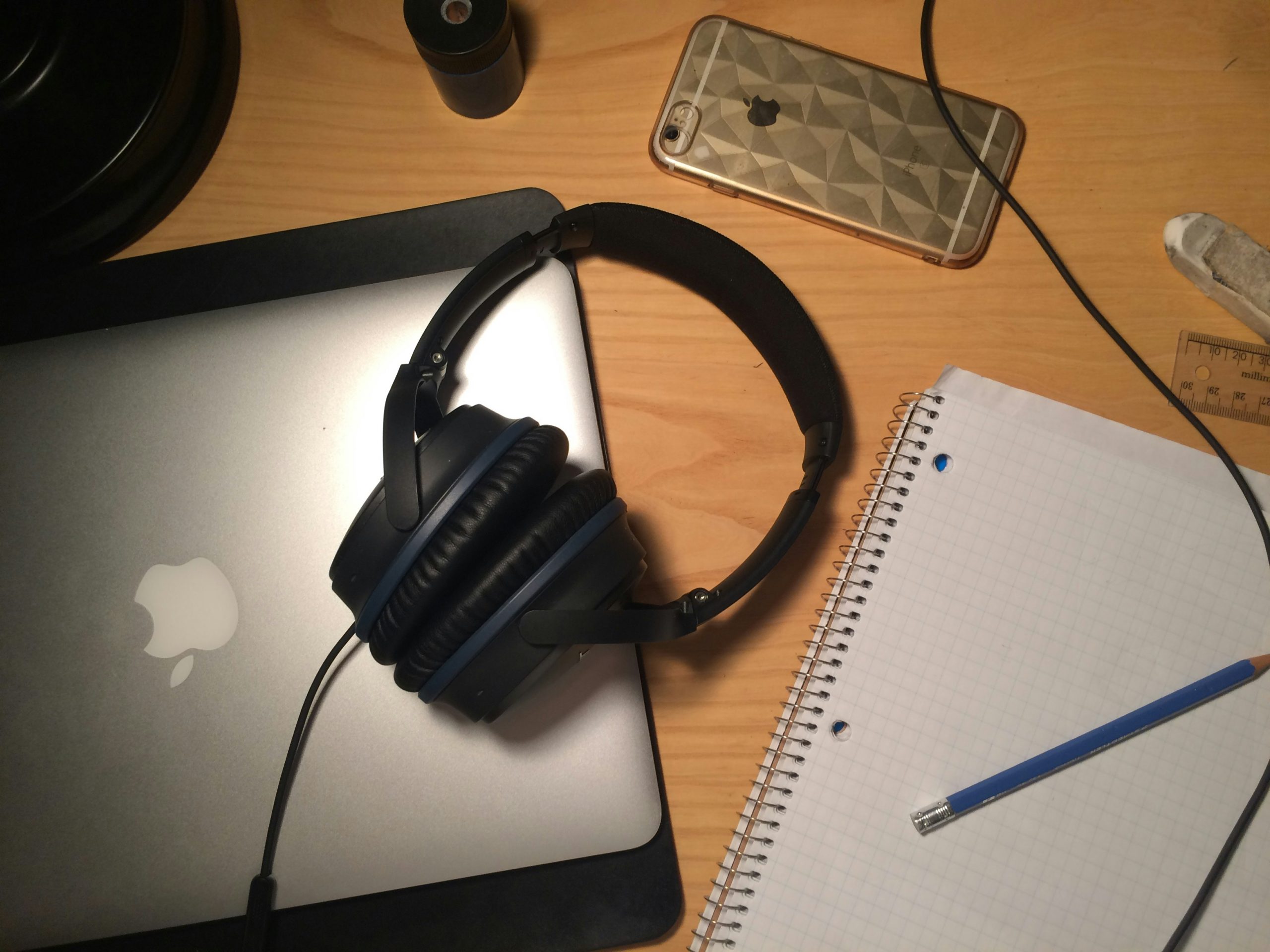
Photo by Lala Azizli on Unsplash. License found here.