Joining an early-morning Zoom call from their tour van as they travelled through Copenhagen, ahead of the following night’s Berlin show, I caught up with Radio Free Alice’s lead singer Noah Learmonth to discuss the band’s newly released debut album, What’s In Between, and everything surrounding it.
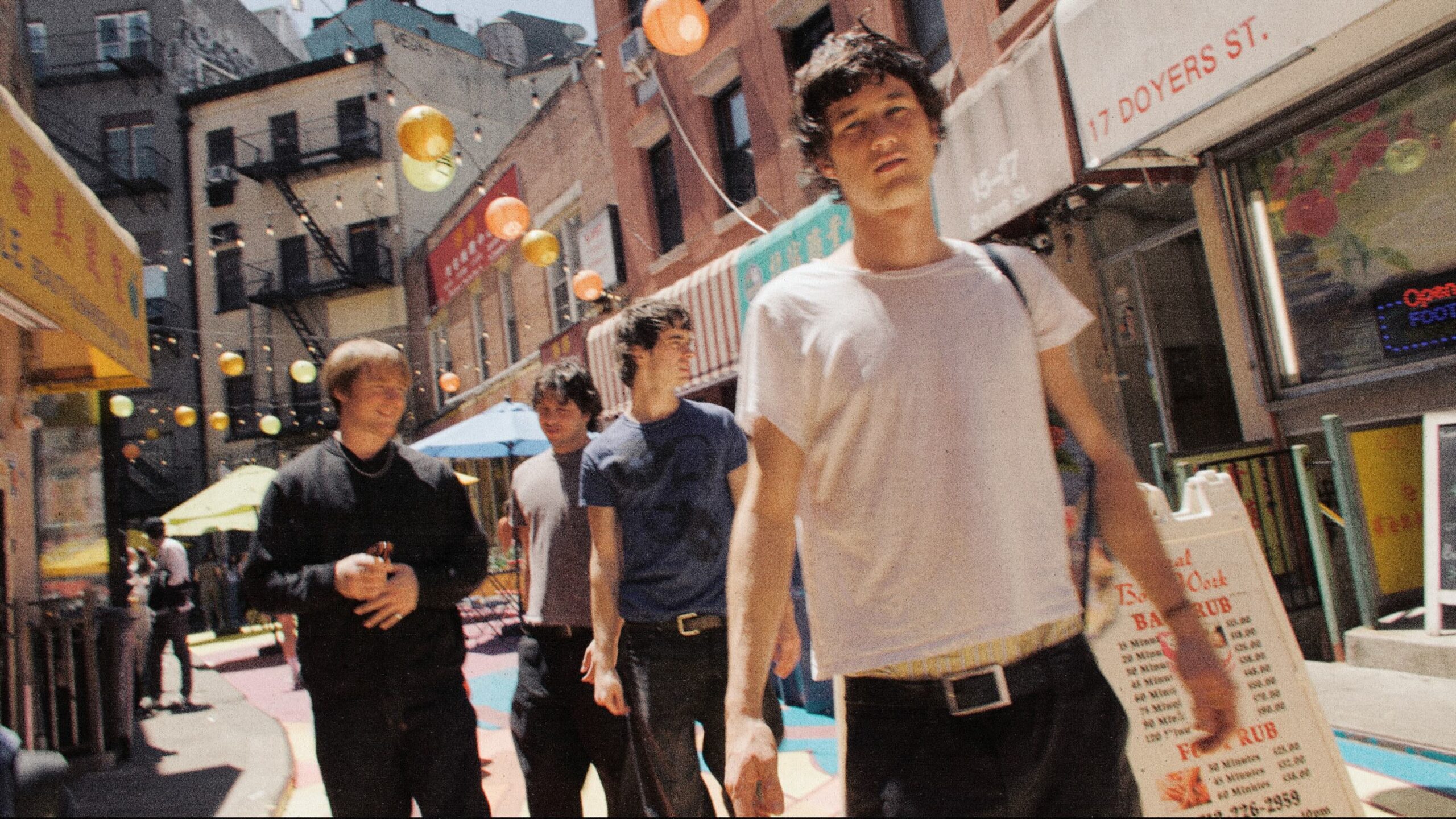
Having supported Geese on their run of Australian shows in February 2026 and opened for The Killers on their last arena run in 2024, Radio Free Alice are one of the fastest-rising breakout bands to watch. The Australian indie rock band combine influences of The Cure and The Strokes, while introducing a modern post-punk goodness that is clearly catching people’s attention.
When asked why they chose this moment to release their debut album, following years of putting out EPs and singles, Noah is quick to admit that “to be completely honest, part of it was circumstantial.” Now signed to a record label, the band have greater financial opportunities, but there was also a desire to take their time and establish their sound before committing to a full-length record. Being signed has “changed everything” for the band. As Noah explains, they wanted to make sure their debut wouldn’t fall on “deaf ears.” He says, “We are glad to have let ourselves figure out how to write songs before releasing a debut album.”
I was also curious about the thinking behind the album’s title, What’s In Between. Noah describes it as capturing “a sort of in-betweenness”, pointing to the record’s coming-of-age quality and the idea that “adolescence is literally a between period”. We went on to discuss how music often gives us a way to articulate the things we struggle to put into words, particularly during those periods of uncertainty and transition. Noah jokes that there is an irony in being asked what a song or album is about, since “If I could tell you, we wouldn’t have written the album”. The singer elaborates that “Making music can help you make peace with your lack of understanding and confusion.”
Given the album’s coming-of-age themes, Noah tells me he loves the idea of a teenager discovering the record and growing up alongside it. He reflects on how the first Vampire Weekend album had a similar impact on him at that age, recalling how he became a devoted fan and formed a lasting connection with their music. Now, he hopes listeners will develop that same kind of relationship with What’s In Between: “I just want them to have a relationship with the album that I do.” During the making of What’s In Between, Noah was also in the midst of what he describes as a “very intense” year-long R.E.M. phase, which inevitably found its way into the record. He speaks of the band’s influence with particular affection, describing their music as “sincere and soulful”, which is certainly reflected in What’s In Between.
When asked how the process of making an album differed from releasing EPs, Noah admits that “it was definitely more pressure”. He reflects on the difficulty of knowing when a record is truly finished, explaining that “what it means to get it right to one person is completely different to someone else”, and that ultimately, they wanted to create something they could be proud of. “Our greatest fear was getting to the due date to hand it in and not being happy with it,” he tells me, admitting that the deadline was a real source of stress. Having waited so long to release their debut, the band were conscious of the anticipation they had built along the way. After three EPs, listeners had been waiting for a full-length record, making the pressure to get it right all the greater: “There would be no excuse; you’ve taken four years to figure it out.”
Reflecting on the backlash following the band’s description of Usher’s DJ Got Us Fallin’ in Love as the “ugliest duckling of bad songs” during an interview promoting their cover on Triple J, Noah acknowledges that the experience was a learning curve. After the band later apologised for the remark, he reflects on how “social media is an economy of engagement”, but recognises the importance of being more considerate with his words. “I learnt that words carry weight and you have to be precise with your language,” he tells me. He is keen to stress that the band respects artists across all genres and “what it takes to make music”. While the experience has changed how he approaches interviews, he is careful to distinguish being more precise from being censored: “How I engage with interviews has changed since then, and I am more precise with how I express myself.”
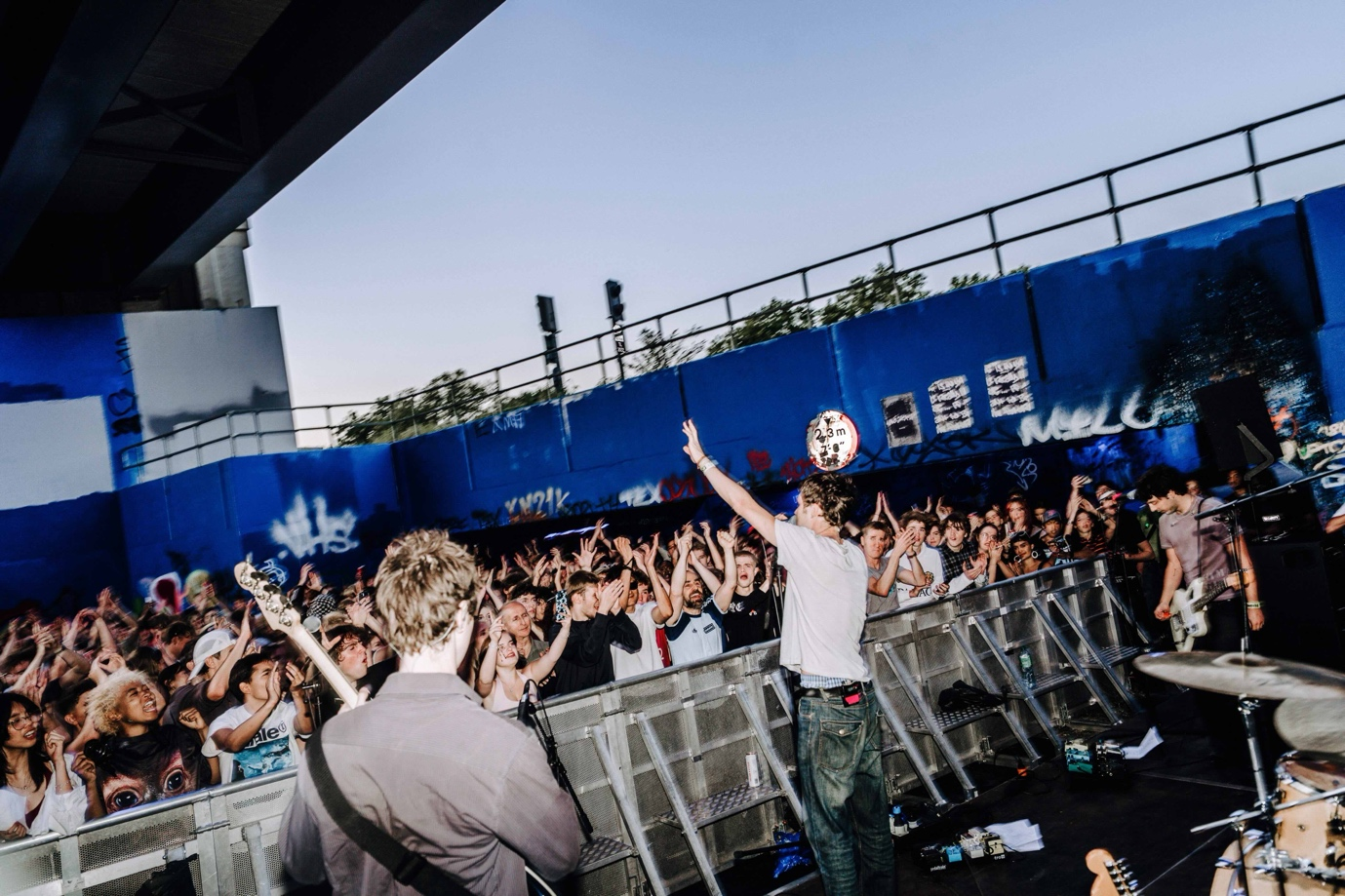
With fans now spread across the globe, Noah admits that he “feels an extra responsibility” to give every audience the best show possible. He recognises the privilege of being able to sell out venues in places like Copenhagen and doesn’t take lightly the support they’ve received from fans around the world: “It’s so shocking that people come to see you in foreign countries; you really want to nail it.” Regarding the atmosphere of seeing Radio Free Alice live, Noah jokes that the band are the last people to ask about it: “We’ve never seen us live”. The band are set to embark on their UK tour this November, including a stop at Bristol’s Thekla.
With What’s In Between finally out in the world, Radio Free Alice seem ready to take the next step, bringing the record to audiences far beyond home soil. And if the response so far is anything to go by, this is only the beginning for the Australian four-piece.
Words by Ellie Evans