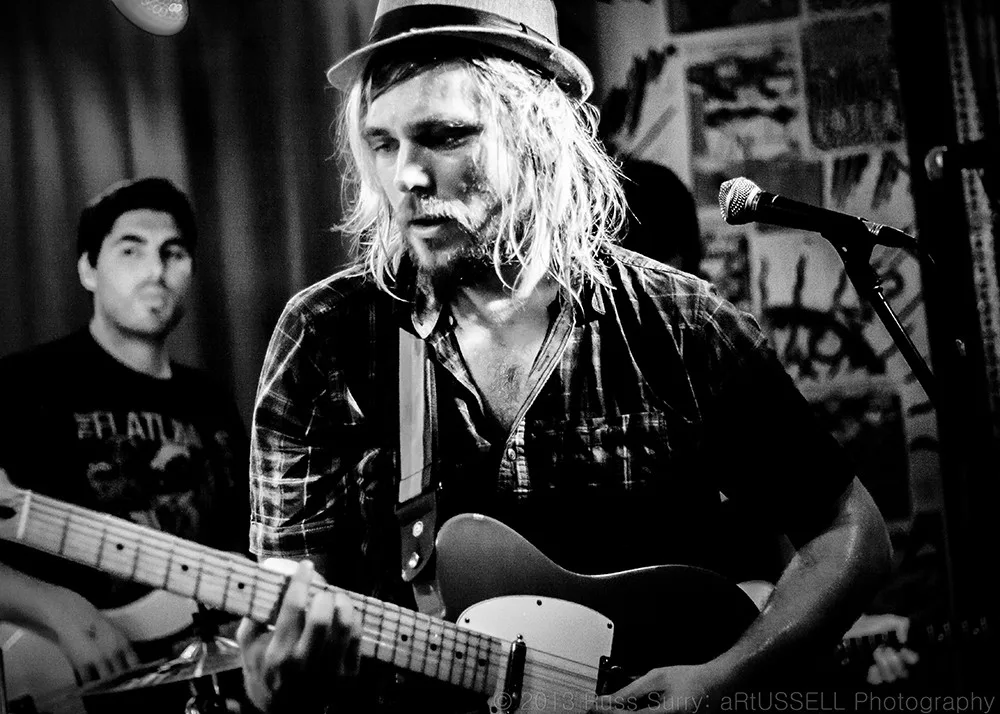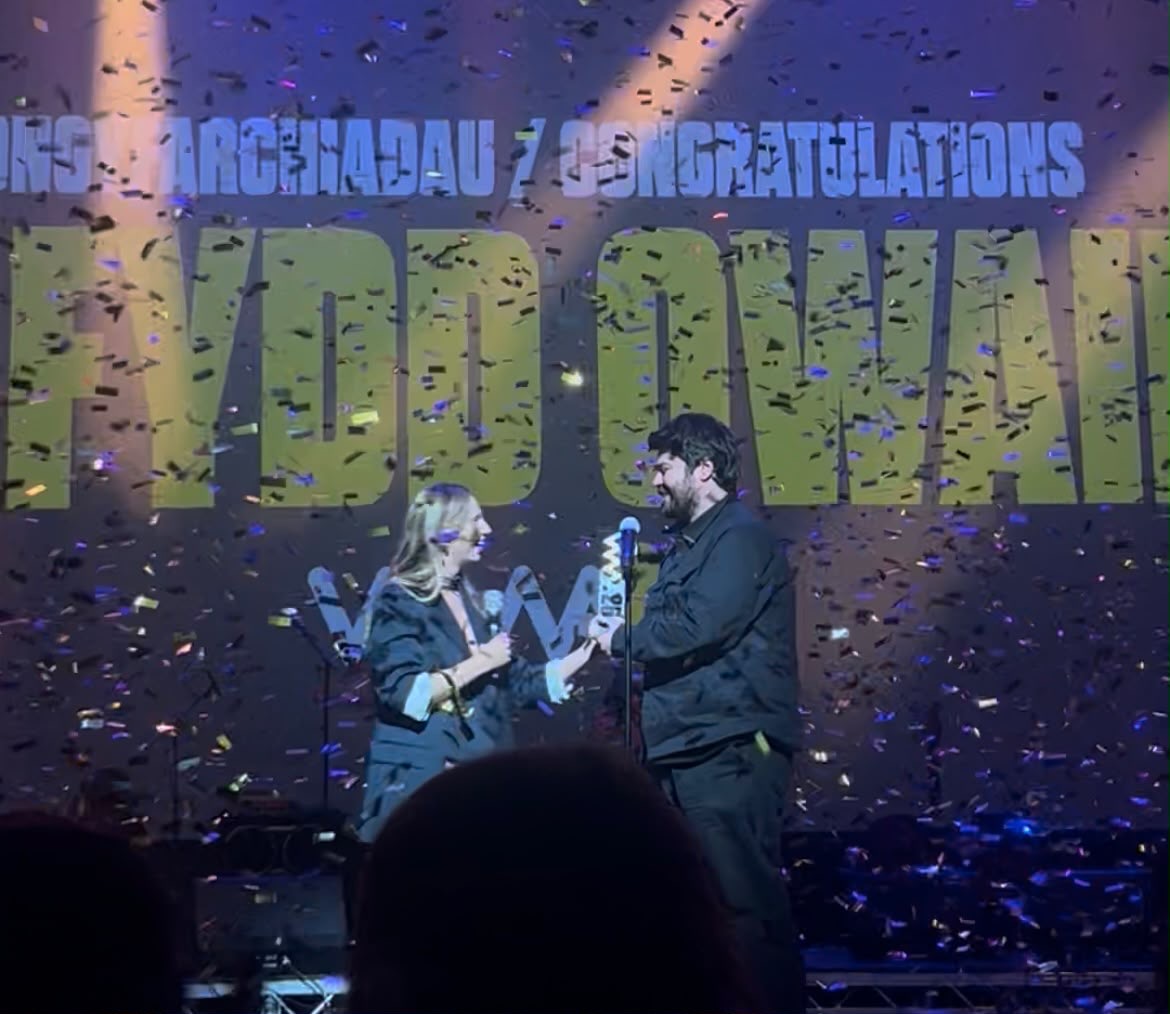
Last weekend, Cardiff hosted Sŵn Festival, celebrating artists across grassroots venues in the heart of our city. Over three days, the festival introduced audiences to a mix of emerging local and international artists, while hosting panels and conferences that opened up conversations about the future of Welsh music.
I attended a panel exploring Ireland’s Artist Basic Income initiative, and the difference meaningful financial support can make in helping artists build sustainable careers. The scheme provides artists in Ireland with a weekly allowance for a cycle of three years, offering a form of artistic nourishment and, crucially, the freedom to create with less financial pressures.
Undeniably, Irish music is experiencing a resurgence, taking up well-earned space across genres from indie rock, pop, to hip-hop. Dublin’s Fontaines D.C continue to build on their global success, releasing a fifth album, with their Irish identity remaining an integral part of their artistic presence. Meanwhile, Belfast-based trio Kneecap have brought Gaeilge and hip-hop to international audiences, challenging expectations of what Irish music can be. This is particularly resonant for Wales. Cymraeg, like Gaeilge, is more than a language; it is deeply rooted in a cultural identity that has endured colonial suppression.
Yet Welsh artists are already reclaiming and celebrating that identity through their music. Across Sŵn Festival, artists are demonstrating that Welsh music is finding new ways to express identity and bring it into contemporary spaces. As Irish artists continue to gain recognition on the world stage, Sŵn Festival offered a glimpse of the next wave of talent, including emerging Irish artists such as Dove Ellis, Bucket and Cardinals.
So, it left me wondering: ‘What Can Wales Learn From Ireland?’
Cardinals’ own Finn Manning and the band’s manager, Sam McGlynn, spoke about the impact of Ireland’s Artist Basic Income initiative. Manning reflected on how the scheme had not only created change for them, but had also “changed them as artists.” With fewer financial constraints, artists can find greater freedom, both socially and artistically. Music thrives on the coming together of different influences, experiences and talents. If we want that creativity to flourish, shouldn’t we be asking what more can be done to support the artists behind it? And, more specifically, should Wales be considering a similar approach?
Financial support is only one part of the picture. Ireland also offers a wider cultural framework for helping artists reach beyond their own borders. Cultúr Éireann (Culture Ireland), an Irish state agency, promotes and advances Irish art internationally. McGlynn highlighted the support the band had received through grants, helping Cardinals build their international presence and tour across North America and Europe. It is an example of how targeted funding and dedicated cultural organisations can help emerging artists turn potential into opportunity.
For Wales, the lesson may be to think beyond the UK. Supporting Welsh music means more than nurturing talent at home; it means creating opportunities for artists to build international audiences, tour globally and carry their cultural identity with them. If Welsh music is to thrive, we need to consider not only how we connect them with the wider world.
Sŵn Festival is already committed to showcasing new music and rising talent, celebrating a diverse range of artists in Wales. But perhaps its conversations are equally as important as its performances. As we celebrate the music being made here, we should also consider what structures we need to help it travel further.
Words by Ava Venter