Words by Maddison Hobbs
After months of anticipation, Wednesday brought the biggest night in Welsh music to Cardiff Bay’s Millennium Centre to celebrate seasoned and emerging artists alike. A total of 15 albums were shortlisted, spanning multiple genres from folk to rap.
The Welsh Music Prize is an annual prize awarded to the best new album in the region, based purely on artistic merit and not streams and sales. This is especially important in raising the profile of independent Welsh artists, Welsh language albums in particular, as often UK-wide awards do not recognise bilingual artists or culturally resonant lyricism and iconography that is threaded throughout their albums. It is unfortunately the case that many independent Welsh artists feel they have to conform to an Anglocentric image in order to appeal to the industry’s most popular sounds.
The £10,000 prize was awarded to Caernarfon artist Dafydd Owain, whose raw Welsh language vocals along with stripped back instrumentals encompassed the room in a deeply evocative and emotional cacophony of sounds. Owain’s stage presence enthralled the audience without the need for a microphone, as he marched to the front of the stage and projected his voice to the crowd.
Huw Stephens, founder of the prize, said ‘Dafydd Owain’s album has had a huge reaction since it was released, and the Welsh Music Prize judges this year agreed this was the 2026 winner. It’s an album of musical excellence, coupled with Dafydd’s very personal and moving lyrics. A huge congratulations to him and all that contributed to the album.’
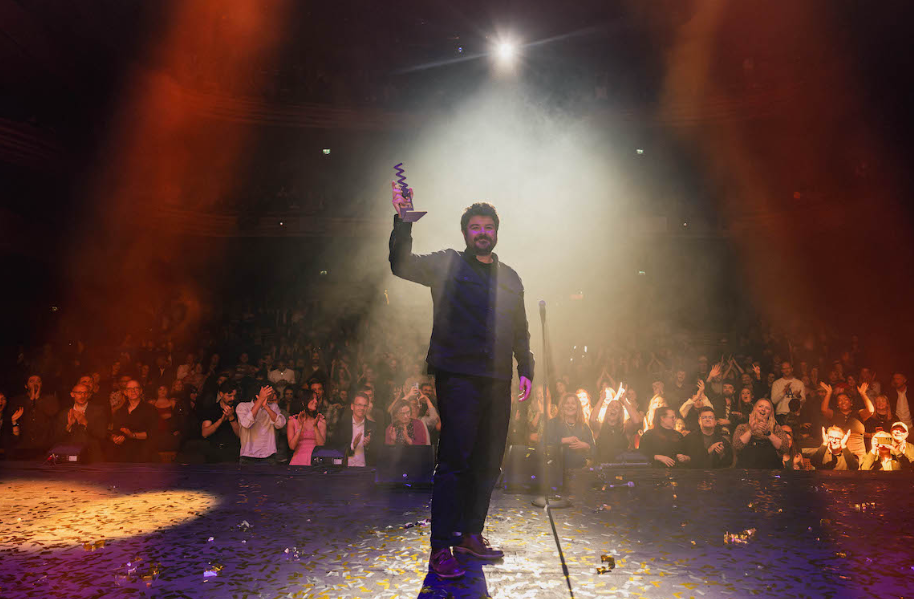
The Winner of the Welsh Music Prize, Dafydd Owain – via nation.cymru
The first musical act of the night was from Cardiff based duo papaya noon, whose unique jazz-infused, soft rock / RNB blend created a stand-out opening performance. They were the recipients of the PPL Momentum Sbardun / Accelerator Fund award, which supports emerging Welsh artists.
Then casual smart took to the stage, commanding the audience’s attention through a unique blend of saxophone and keys with upbeat vocals and lyricism. A Cardiff-based quintet fresh out of their teens, the band have risen through the city’s grassroots scene, playing venues such as the flagship Welsh venue Clwb Ifor Bach and Paradise Garden, they have quietly evolved from an experimental youth band to a loved staple amongst the capital’s local artists. Their success in south Wales has expanded throughout the UK with upcoming dates in London, Manchester and Brighton, and having received this year’s Triskel Award alongside Betsan and Mwsog.
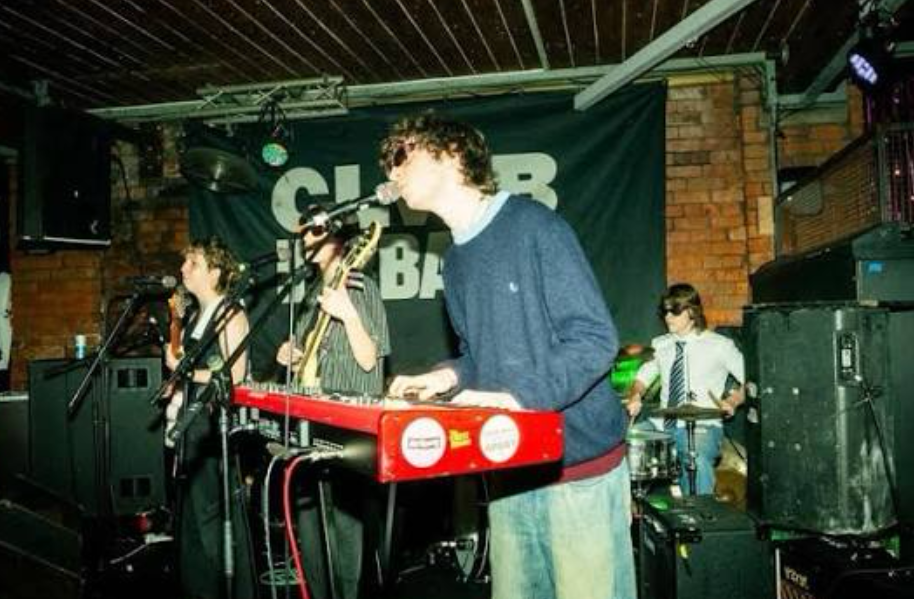
Image: casual smart (@casualsmartband)
Betsan’s Welsh language lyricism pays homage to the rich musical heritage of the nation, while her slow-paced guitar instrumentation draws inspiration from pop artists like Olivia Dean. Her bittersweet yet powerful performance attests to the emotion-driven nature of her 2026 single ‘Erase It’, which secured her the Triskel prize by exploring the complicated nature of moving on from a relationship that you know wasn’t healthy.
The atmosphere of the evening shifted to an air of poignance as Welsh singer Mary Hopkin was honoured for her contribution to the nation’s musical legacy.
The Welsh Music Inspiration Award is given to musicians who have inspired and made their mark on Wales’ rich musical heritage. This year, it goes to a very special artist, whose music was played at the late Bonnie Tyler’s funeral, and as thousands left the stadium after Oasis started their world tour here in Cardiff. Her albums, Postcard and Earth Song Ocean Song are the stuff of legend, and her duets in Welsh and English made her a firm favourite in the 60s and 70s.
Honoured by her daughter Jessica Lee Morgan, the singer performed a medley of her songs before accepting the award on her behalf. The moment underpinned the key message of the evening – recognising how past Welsh legends pave the way for emerging artists and emphasising the nation’s soul as a land of song.
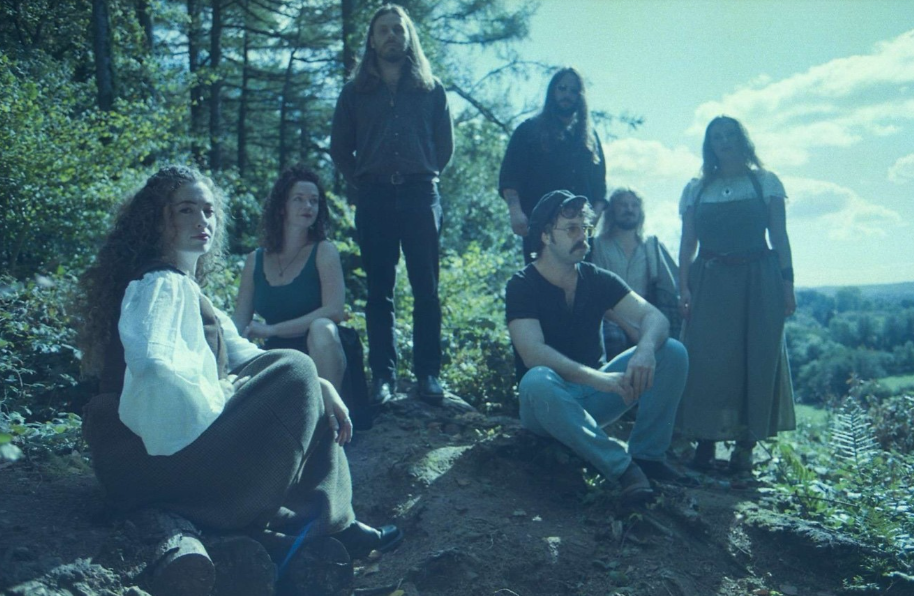
Image: Sam Stevens @sam.ffoto
Mwsog perfectly attested to the nation’s heritage of folklore through a deeply theatrical rendition of modern Welsh language music. Evocative of artists such as The Last Dinner Party and Paris Paloma, they entered the stage adorned with flower crowns and Victorian gowns, while the elaborate fox and owl costumes created a psychedelic feel backed by a cacophony of primal chanting.
“We wanted to retell the struggles of our ancestors through modern sound. You can almost hear the ghosts of hooves and battle cries between the instruments.” — Drummer Luke Huw, Fame Magazine
Another performer with a distinctive countercultural sound was guitarist Gwenifer Raymond. Raised in the Welsh valleys and now residing in Brighton, Raymond as gone on to perform on NPR Tiny Desk and with the likes of Mitski and Geese, championing her classical guitar fingerpicking style and drawing international acclaim. Her use of an open tuning blended with her modern repurposing of the intricacy of Mississippi blues makes her a “composer of eerie menace” according to Uncut Magazine.
In stark contrast, Local’s performance was particularly modern, his gritty urban rap uniting the audience in a more energetic set. He urged the audience to get on their feet which created the same energy as a mini underground grime concert, filling the room with sharp energy.
The Welsh Music Prize 2026 shortlist:
- ADJUA – Everything Is Beautiful
- Aleighcia Scott – Taith
- Ani Glass – Phantasmagoria
- Art School Girlfriend – Lean In
- Cerys Hafana – Angel
- CHROMA – 25 Forever
- Dafydd Owain – Ymarfer Byw
- Dewin – Dan y Dderwen
- Gruff Rhys – Dim Probs
- Gwenifer Raymond – Last Night I Heard The Dog Star Bark
- Local – Too Broke To Be This Busy
- Mari Mathias – Cyfarwydd
- Skindred – You Got This
- The Bug Club – Every Single Muscle
- The Royston Club – Songs For The Spine