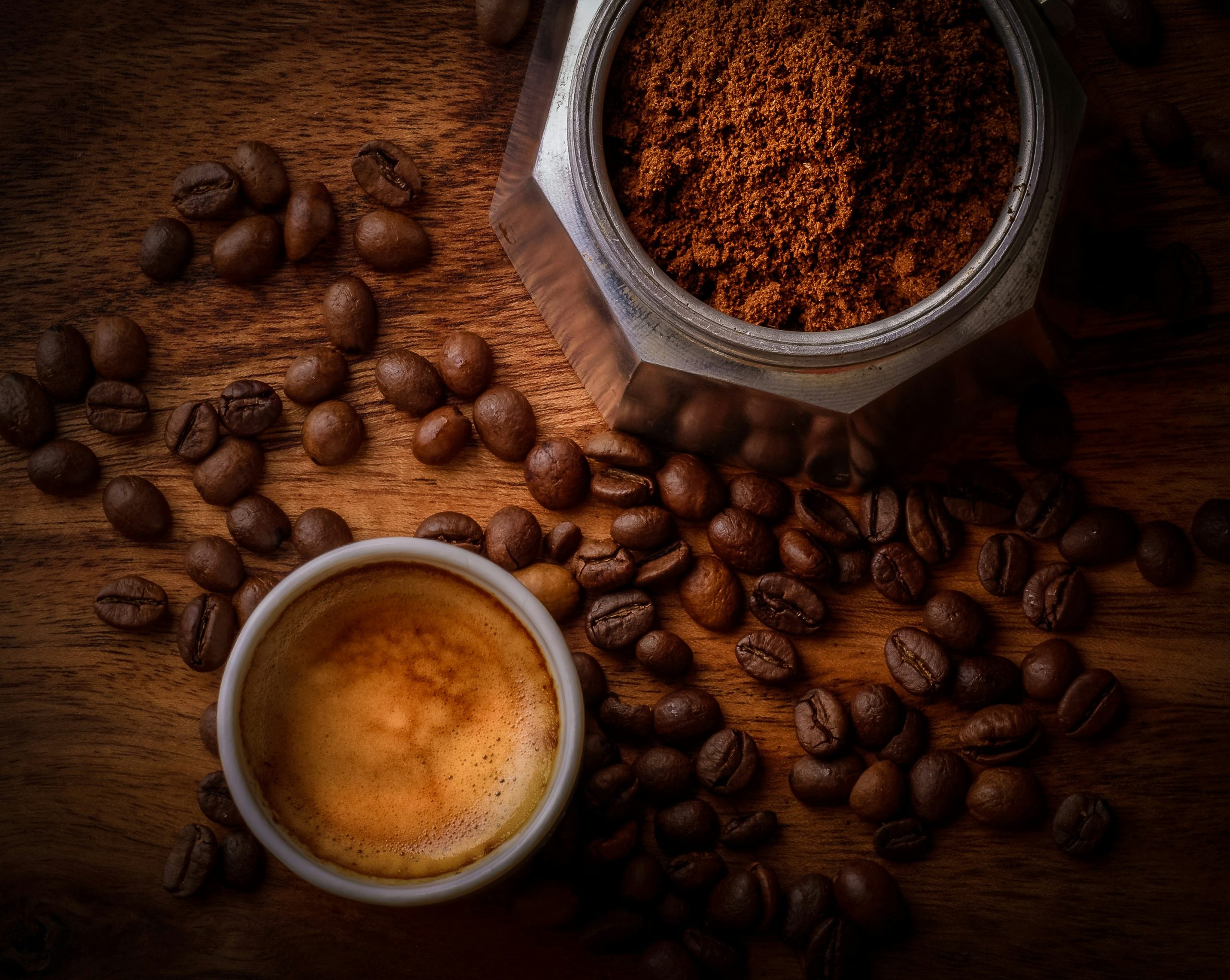
In Cardiff, we are blessed with lots of lovely cafes which serve great coffee to get you through deadline season. When you’re in the thick of winter, travel can feel like a distant hope. When you can’t afford the flights, don’t have the time off to plan a trip, and are severely lacking in vitamin D, there are other ways to connect with the rest of the world. Imagine the journey your coffee bean has come from to reach your mug – maybe from South East Asia, South America, or Africa. Coffee doesn’t actually come from beans; they are the seeds of coffee cherries, and they usually travel many miles from more tropical regions to an area along the equator called the Coffee Belt. The UK’s biggest supplier is Brazil, then Vietnam, then Colombia. There are four main types of coffee beans: Arabica, Robusta, Liberica, and Excelsa, and each serve a different purpose and tastes differently.
Arabica
Native to Ethiopia, Arabica coffee, the oldest coffee, can be found across the Middle East, Europe and the Americas. This plant likes high altitudes and cool temperatures. This coffee typically has a wine-like acidity and varies in taste, ranging from fruity, floral notes to warmer tones like nutty, chocolatey, and caramel notes. Have you ever tried an Ethiopian coffee ceremony? This important ritual symbolises community and connection. First, you roast fresh beans, then you grind the beans, then you brew them in a jebena¸ or a clay pot. Coffee is served in small cups, with three rounds making the ceremony last for hours, bringing people together to socialise and build community. If you want to experience this in Cardiff, go to Merhaba Habesha restaurant in Adamstown. Make sure you try injera, a pancake-like, spongy flatbread that is a staple in Ethiopia, and takes the place of rice or bread. You can scoop up your stews with it and eat with your hands. Ethiopian food is also wonderful for vegans: there are lots of options if you don’t eat meat.
Robusta
Hailing from sub-Saharan Africa, Robusta likes it hot and low. This plant will give you more of a buzz with a higher quantity of caffeine, and is easier and cheaper to grow. If you drink instant coffee, it is likely to be Robusta.
Today, this coffee is largely produced in Vietnam. Have you tried making a Vietnamese coffee with your Robusta at home? All you need is some condensed milk, coffee, and water. It is a sweeter alternative to your usual coffee and tastes delicious iced.
Liberica
Liberica originally comes from West Africa, named after Liberia. This is a rare coffee, and grows on tall, robust trees that can weather harsh conditions. Liberica trees can grow up to 20 meters high. They are so tall that you need a ladder to harvest them. Liberica’s flavour is often described as smoky, woody, or fruity. Today, you can mostly find it in the Philippines, Malaysia, and West Africa. When you’re taking a sip, imagine yourself jumping into azure pools in the Philippines, or trekking through ancient rainforests in Malaysia.
Excelsa
Although technically a variety of Liberica, Excelsa packs its own punch. It is grown in Southeast Asia and produces a tart, fruity, tea-like flavour. Imagine yourself in busy Vietnamese streets, dodging scooters amongst crowds of people. Or island-hopping in Indonesia, jumping into schools of fish. So, next time you are feeling the winter blues and craving a slice of adventure, look no further than your coffee cup. The coffee beans have been on a journey to reach you, and you can let your imagination run wild, imagining the life they have lived.
Words by Abigail Neve
Photo by Janko Ferlic on Unsplash. License found here.