
Rhia Davies
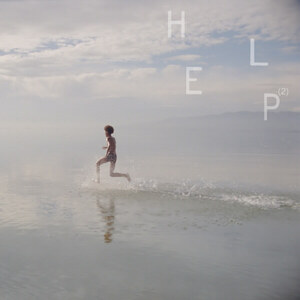
War Child returns to the music world with its latest collaborative collection, Help (2). The original Help Album, released in 1995, set out to raise money for the charity and quickly became a cult classic. While several follow-ups came and went in the years since, Help (2) positions itself as the true successor — both in spirit and ambition.
Given its charitable purpose, it might seem unfair to criticise Help (2) too closely. But the album more than holds its own musically, and in many ways surpasses its predecessor. It delivers a diverse and compelling mix of covers and original material, showcasing a wide spectrum of contemporary music. The contributors feel carefully chosen, reflecting the current musical landscape while also nodding to the past, with returning artists like Damon Albarn and Graham Coxon of Blur.
Producer James Ford plays a crucial role in shaping the album’s identity. His work ensures cohesion across tracks that might otherwise feel disconnected. Songs as stylistically different as Depeche Mode’s pulsing synth-driven cover of Universal Soldier and Black Country, New Road’s mandolin-led Strangers are unified into a surprisingly seamless listening experience.
Opening track and lead single Opening Night by Arctic Monkeys sets the tone with a slow, deliberate build. The track draws on the band’s evolving sound, most clearly echoing the lounge-inflected style of Tranquility Base Hotel + Casino and The Car, while incorporating darker textures reminiscent of Humbug and the expansive polish of AM.
One of the album’s most striking moments comes from Cameron Winter. His track Warning, performed alongside cellist Amy Langley, is built around a tense, minimalist string arrangement. The song steadily accumulates pressure across its runtime, refusing to offer release. Winter’s abstract yet piercing lyricism stands out, delivered in a voice that leans more towards speaking and shouting than traditional singing, heightening the emotional intensity.
Another highlight is Carried My Girl by Bat for Lashes — the project of Natasha Khan. One of the few tracks to directly confront the realities behind the charity’s work, it tells the devastating story of a mother losing her child. Khan’s vocal performance, filled with grief and urgency, gives the song a particularly haunting weight.
Among the covers, several stand out. Arooj Aftab and Beck deliver a delicate rendition of Lilac Wine, a song closely associated with Nina Simone but here seemingly influenced by the legacy of Jeff Buckley. Beth Gibbons of Portishead offers a graceful interpretation of The Velvet Underground’s Sunday Morning. Closing the album is Olivia Rodrigo, whose version of The Book of Love — originally by The Magnetic Fields — provides a fittingly tender finale.
What stands out most across Help (2) is the sense of care behind it. These are not throwaway contributions assembled for a cause, but thoughtfully crafted pieces of music. The result is an album that feels both purposeful and artistically rich — a rare combination that makes it not only worthwhile, but genuinely affecting.